17.7 C
London
Sunday, February 8, 2026
secret satire society
Home Blog Page 39

109,000 Claimed Asylum in Year 17% Yearly Increase

5

“It is not our fault. We blame the Tories of course for the massive increase in illegal asylum seekers,” the absent PM Keir Starmer told no one in particular.

When asked by a reporter if anything was being done, Home Office Secretary Yvette Cooper stuck her neck out and said: “Asylum seekers? Where?”

The number of people claiming asylum has almost doubled since 2021. There were 173,000 grants of settlement in the UK in the year ending March 2025, a third more than in the previous year.

Illegal Channel crossings have increased to such a level under the Labour government that every day, multiple rubber dinghies overflowing with fake asylum seekers land on British shores escorted by the French Navy.

The Labour government have said that there is no problem and there is nothing to worry about.

100,000 asylum seekers could be given taxpayer-funded homes

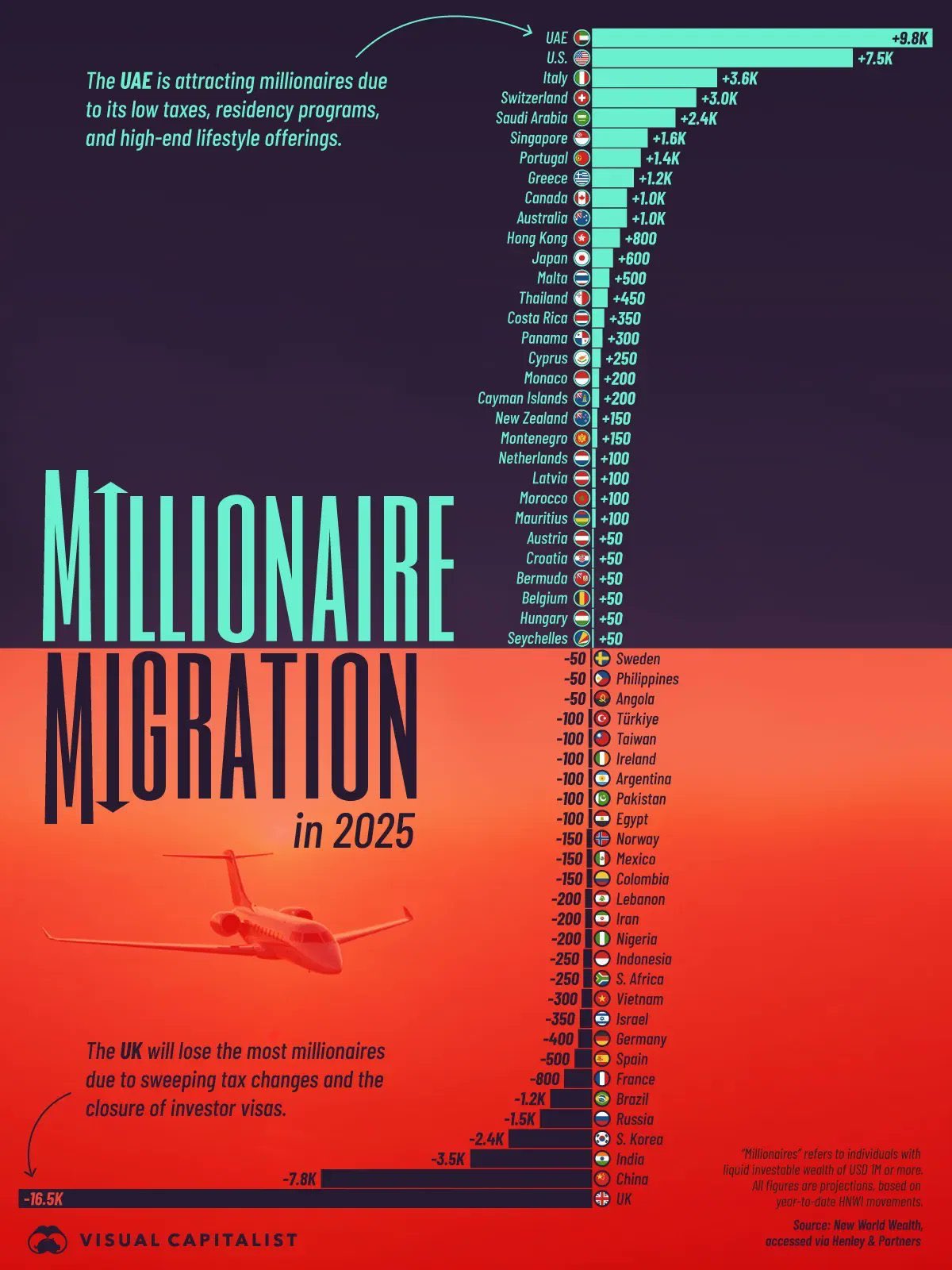
Good News – Even More Wealthy are Leaving the UK in Droves

3

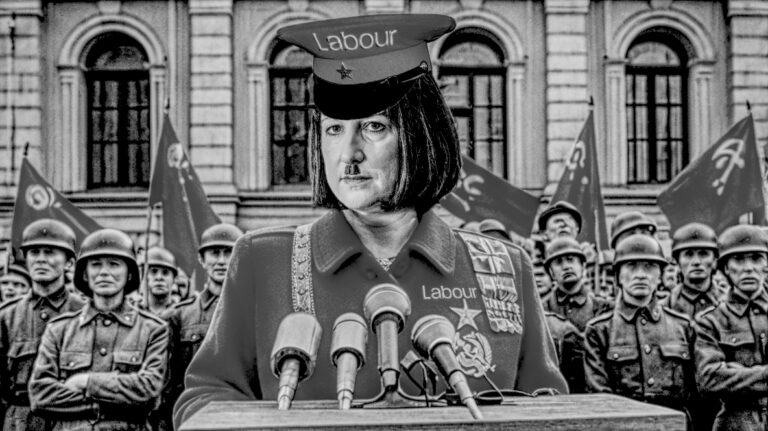
Comrades, as the esteemed soviet comrade Vladimir Lenin once said “The way to crush the bourgeoisie is to grind them between the millstones of taxation and inflation” the People’s Republic of Soviet Britain is doing the very same. Look how the wealthy capitalist pigs, entrepreneurs, professionals, innovators, billionaires, millionaires all flee the PRSB with their bags of ill-gotten gains in their private jets.

Go! The People’s Republic of Soviet Britain does not need your filthy capitalist money or gold bars.

millionaire migration

Instead, we will tax the working people and remaining idiots with little remnants of wealth still left with even more fucking tax. We are already taxing everyone to non-existence but because of my irresponsible profligate spending sprees the PRSB is now bankrupt. We have run out of money …oops!

Never mind, you may be starving and freezing, but you will be able to ride on a new expensive train to nowhere.

INGSOC NOTICE 09990231-V768-0768-4NU5-T1T5-44-0899786

ELLIE RIZZLESPOUT, 9, OF GEORGE FLOYD STREET, GROOMING, SECTOR 14, HAS BEEN AWARDED A BOX OF USED TISSUES AND 3 BAGS OF USED TAMPONS, ALONG WITH 0.014 GRAMS INCREASE IN SALT RATIONS. LAST THURSDAY SHE REPORTED HER 4 BROTHERS, 3 SISTERS, MOTHER, FATHER, GRANDFATHER AND AUNT FOR SAYING THAT THE LABOUR PARTY HAS BANKRUPTED SOVIET BRITAIN. THEY WERE ALL LIQUIDATED AT GRIMSBY NET ZERO PROCESSING CENTRE, 65P ON FRIDAY MORNING. REMEMBER COMRADES, LOOK, LISTEN, REPORT!

Glorious Day – Trooping of the Colour and U.S. Army 250th Celebration

0

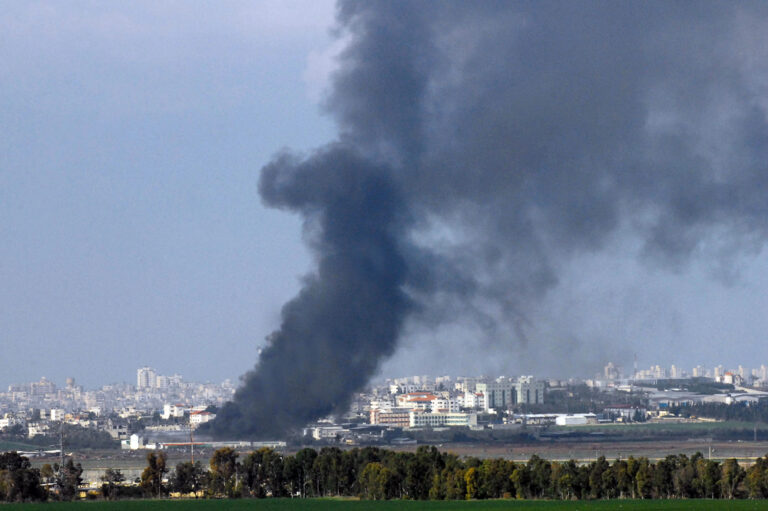
It was interesting that Saturday 14th had a certain war theme about it, with the Trooping of the Colour Parade in London celebrating the glorious British army and its illustrious history, and across the pond in Washington D.C. celebrations were being held for the U.S. Army 250th Ceremony (great to see the United States with a patriotic president for a change) – all of this while actual rockets rained down on Israel and Iran, as well as in Ukraine and Russia.


High Oil Prices, Stagflation, Higher Taxes, Low Growth, Cost of Living Crisis

0

It is hoped that the Israel/Iran conflict will not be a prolonged affair, because if it is, global economies could be up shit creek without a paddle. If oil prices keep rising, we would be seeing stagflationary pressures on global economies with a drag on growth and fuelling inflation.

Since oil is a foundational input for transportation, manufacturing, agriculture, and even some forms of electricity generation, its cost reverberates across nearly every sector. When the price of crude oil rises, so too does the cost of fuel – particularly diesel and petrol – which makes it more expensive to transport goods. This includes everything from food and all those formerly cheap Chinese consumer electronics to construction materials and machinery. As a result, businesses face higher operating costs, which they typically pass on to consumers in the form of higher prices.

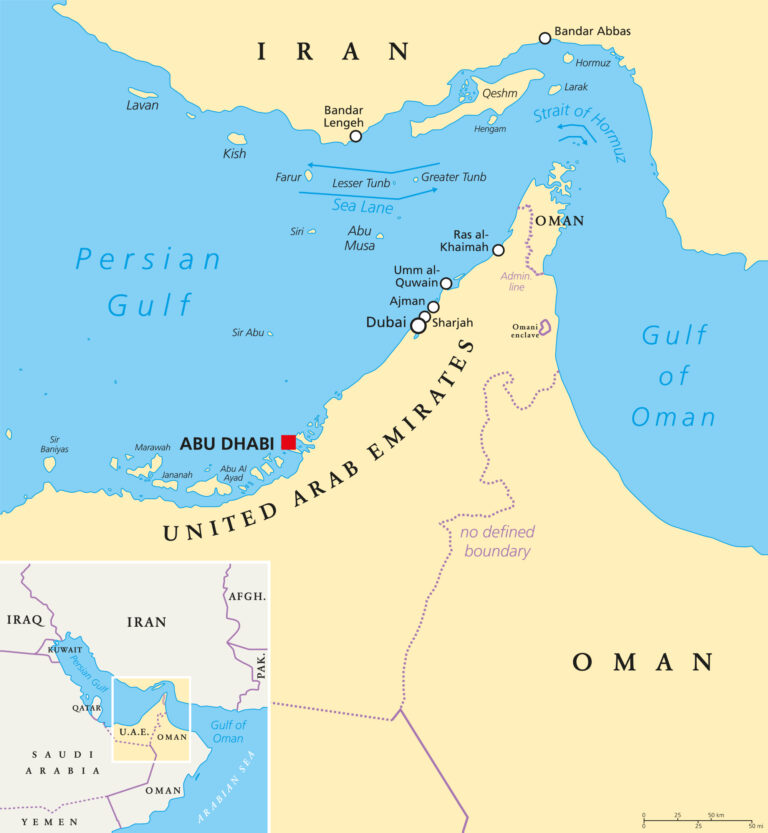
Cheap Chinese imports, already burdened by Trump’s high tariffs, would become even more expensive if global shipping costs rise—especially via key routes like the Red Sea or the Strait of Hormuz. In the UK, the cost of shipping and delivery of goods is already at a high level, add in VAT, import taxes, and all the other punitive Labour taxes, invariably resulting in soaring costs that will be passed on to the consumer. When the cost of transporting goods increases, those higher expenses are typically passed along the supply chain, ultimately landing on businesses and consumers in importing countries.

For Western economies heavily reliant on goods manufactured in China—everything from electronics and machinery to textiles and household items—this creates a twofold inflationary pressure: first from tariffs, which act like an import tax, and second from increased freight charges, which raise the landed cost of goods. These added costs can erode profit margins for retailers and manufacturers, who then face a choice between absorbing the losses or raising prices.
cost of living crisis

Cost of living crisis on steroids

The net result is likely a general rise in the cost of living, especially on goods that consumers interact with daily. In the UK, the cost of living crisis has already been increased by the insane, irresponsible and profligate state spending decisions of the lunatic Labour government, so oil prices will only compound the terrible decisions made by the UK government. Shoplifting is now a normalised and accepted daily occurrence in all retail and food stores, where the police ignore the crimes, and the businesses pass on the costs to the consumer.

Additionally, this kind of imported inflation can be particularly difficult for central banks to manage, as it’s driven by external supply-side shocks rather than domestic demand. If the situation persists, it could contribute further to inflationary pressures, dampen economic growth, and edge vulnerable economies closer to stagflation.

These rising costs contribute directly to inflation. People start spending less. This erodes consumers’ purchasing power. Essentials such as food, heating, and commuting become more expensive, disproportionately affecting lower and middle-income families, who spend a larger share of their income on these necessities.

Interest rate rises

Higher inflation, in turn, can prompt central banks to raise interest rates in an effort to cool the economy and stabilise prices. While this might contain inflation in the medium term, it also increases borrowing costs for households and businesses. Mortgages, credit card debt, and business loans all become more expensive, which tends to reduce spending, investment, and overall economic activity. Higher interest rates have significant ripple effects on both government finances and overall market liquidity.

For governments, rising interest rates directly increase the cost of servicing national debt. As older bonds mature and are refinanced at higher rates, the amount the government must pay in interest climbs sharply. This puts pressure on public finances, particularly in countries with large debt burdens. More money spent on debt interest means less available for public services, investment, or tax cuts, and may even force tax rises or spending cuts to balance budgets.

Loss of liquidity

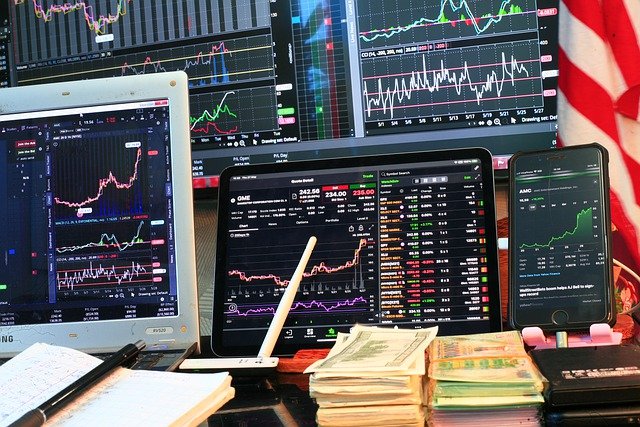
stock-market-6287711_640In financial markets, higher interest rates reduce liquidity. As borrowing becomes more expensive, both consumers and businesses cut back on spending and investment. It also tightens credit conditions—banks lend less, and investors tend to move money into safer, interest-bearing assets like government bonds, rather than into equities or riskier ventures. This can slow down economic growth and reduce capital flow in the markets, often leading to declining asset prices and tighter financial conditions overall.

For energy-importing countries, high oil prices worsen the balance of trade, as more money is spent on foreign energy. There goes Trump’s attempt to help U.S. imports and exports. This can weaken the national currency, making imported goods more expensive still, and further stoking inflation.

Oil exporting countries

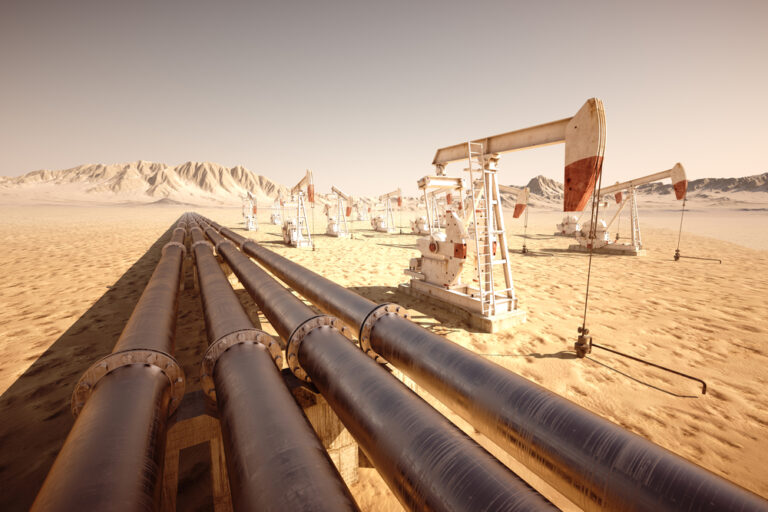
On the other hand, oil-exporting countries may benefit from higher revenues, which can boost public spending and national income – though even in these cases, over-reliance on oil often brings long-term volatility and distortion.

The diabolical policies of the Labour government in the UK have banned companies to drill oil in the vast lucrative North Sea fields, therefore the UK will not profit from high oil prices.

Can OPEC help?

OPEC could attempt to offset rising oil prices by increasing production. By boosting supply, they could help stabilise or even lower global oil prices, but it is not certain OPEC would take this step if it does not align with their strategic and political plans. OPEC often aims to balance oil prices to maximise revenue for its member states without triggering demand destruction or encouraging rival producers, such as U.S. shale companies, to ramp up production. If prices rise modestly due to higher shipping costs, OPEC might not see an urgent need to act. But if prices spike dramatically and threaten to tip the global economy into recession, they may be more inclined to intervene, especially with an irate Trump breathing down their necks.

There’s also the issue of internal capacity and cohesion. Not all OPEC members can easily increase output due to infrastructure or budget constraints. Plus, coordination among OPEC+ (which includes Russia) isn’t always smooth, particularly when members have divergent economic needs or geopolitical interests.

Governments forced to increase taxes

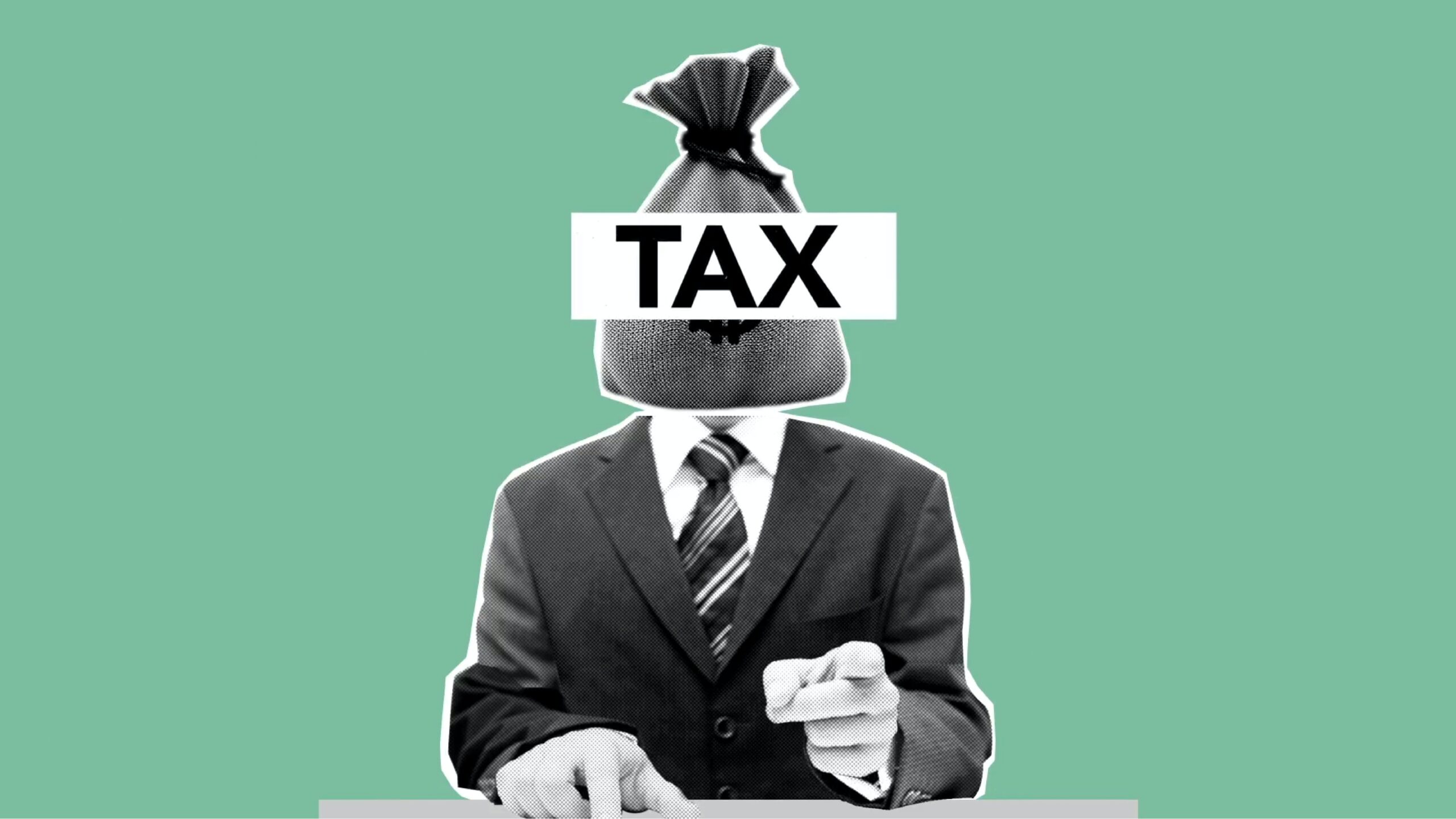
VAT TAXIndeed, high oil prices can also lead to rising taxes, either directly or indirectly, further deepening the economic strain. As governments contend with increased public spending—on energy subsidies, inflation-linked benefits, or fuel-related infrastructure—they may need to raise additional revenue to balance their budgets. When inflation pushes up the cost of government borrowing and welfare obligations, fiscal pressure mounts, especially in countries already carrying large debts. In such cases, tax increases become a tool to plug budget deficits and maintain public services.

Additionally, if oil prices depress economic growth, governments may face a fall in tax receipts from income, consumption, and corporate profits. This shortfall can prompt them to raise other taxes—such as VAT, income tax, or fuel duties—to compensate. In economies with fuel subsidies, high oil prices force governments to either raise taxes to fund those subsidies or reduce them altogether, leading to a rise in retail fuel prices and a political backlash.

Thus, high oil prices can contribute to a cycle where inflation, slowing growth, and fiscal strain feed into higher taxes, amplifying the financial burden on both households and businesses.

WTF is Stagflation?

Stagflation is a rare but damaging combination of stagnant economic growth, high inflation, and often high unemployment. It’s a paradox for policymakers because the usual tools to fight inflation—like raising interest rates or cutting spending—can further suppress growth and employment.

High oil prices can trigger stagflation by increasing the cost of production and transportation across the entire economy. When businesses face higher energy and logistics costs, they often pass these onto consumers in the form of higher prices, fuelling inflation. At the same time, these higher costs can erode business profits and reduce consumer purchasing power, which weakens demand and slows down economic growth.

As costs rise and demand falters, companies may scale back production or hiring, potentially increasing unemployment. Governments and central banks then face a grim policy dilemma: if they raise interest rates to fight inflation, they risk worsening the slowdown; if they stimulate the economy to boost growth, they risk entrenching inflation even further.

The classic example of stagflation occurred in the 1970s, when oil price shocks—largely driven by geopolitical events—caused exactly this scenario across the Western world. With today’s complex global supply chains and energy dependencies, a similar oil shock could once again tip vulnerable economies into a stagflationary trap.


The Strait of Hormuz Could be Iran’s Ace in the Hole

0

The Iranian regime is currently launching drone and missile attacks against Israel in retaliation for the pre-emptive attack on its primary nuclear sites. Iran holds an ace in the hole though, with significant leverage over the Strait of Hormuz, a strategic waterway through which around 20% of the world’s traded oil passes. Its geographic position along the northern coastline gives it a commanding presence, which it has repeatedly used to signal threats of disruption, particularly in response to sanctions or military pressure.  Global oil markets are very vulnerable to any action by Iran.

Lloyd’s List estimates that the annual volume of maritime trade transacts through the Strait of Hormuz is approximately US$554 billion (£411bn).

One of the most plausible means Iran could use to create disruption is the deployment of naval mines. Iran possesses a sizeable stockpile of these, and they could be laid covertly in key shipping channels. Even a limited mining operation could wreak havoc.

Iran has both bottom mines from Russia and sophisticated rocket-propelled mines from China in its arsenal. They can be deployed from the air, and they can be laid using ships and submarines.

Clearing the strait would be a painstaking and difficult task, given Iran’s use of “ship counting” and mines, which delay detonation based on how many ships pass over them, and anti-removal fuses that can complicate minesweeping efforts.

Mines are notoriously difficult to detect and neutralise, and the mere possibility of their presence can force tankers to delay transit or reroute. A single damaged vessel would be enough to spook insurers, raise freight costs, and send tremors through global supply chains.

Iran also has a fleet of fast attack craft operated by the Islamic Revolutionary Guard Corps Navy. These small, manoeuvrable boats, often heavily armed, are capable of swarming much larger commercial or military vessels in the confined waters of the strait.

This tactic has been used before to harass, intimidate, or even board and detain ships, allowing Iran to project force in a way that is deniable and difficult to counter without risking escalation.

Complementing these capabilities are Iran’s land-based anti-ship missile systems, which include variants like the Noor and Qader (Ghader). These can be launched from coastal batteries, mobile launchers, or naval platforms and are capable of targeting ships throughout the strait. The presence of such weapons adds a layer of threat to any military or commercial vessel transiting the area, particularly under conditions of heightened tension.

Iran’s submarine fleet, including its midget Ghadir-class submarines, is particularly well suited to the shallow waters of the Gulf. These can lay mines or fire torpedoes while remaining hard to detect. Alongside this, Iran’s growing drone fleet is used to monitor maritime traffic and can be equipped with explosives or used to harass shipping. The combination of unmanned surveillance and asymmetric tactics makes Iranian activity in the region highly unpredictable.

Drone and missile tactics could also be utilised by the Iranians, or foreign-flagged vessels could be hijacked and seized, further causing fear in the markets.

These are still early days in the conflict. The Iranian regime is at a weakened state as their Hezbollah and Syrian allies have been seriously depleted. The West should take heed that a cornered rat can cause a lot of damage.

A huge increase in the oil price will also bolster and enrich Vladimir Putin beyond belief, as most Western countries would be hit by vast inflationary pressure and high crude oil prices.

It is not certain if the Israeli pre-emptive strike will thwart the Iranians from their nuclear weapons programs. The Iranians now have the knowledge and capabilities to make nuclear weapons, and they will simply move their facilities to even more secret locations from now on. The Strait of Hormuz is however a serious strategic weakness and bone of contention with the West and Israel.

R Goes to Church

R’s next door neighbor Susan is a good girl. Susan is a legal secretary who goes out to her car every morning clutching her laptop in its case, wearing a smart blazer and tailored slacks.

The colors are usually conservative dress code-worthy shades of blue, slate, or tan. If she feels rebellious, she opts for pin stripes or a herringbone pattern.

Susan does everything expected of a proper young lady and R is certain that when Susan reaches her downtown office, she stands on the street and tosses her hat in the air like Mary Tyler Moore, shouting, “What a blessed day to be alive!”

R isn’t fond of Susan but she knows that being civil to a neighbor is essential. One day R might need a cup of sugar or a character witness.

When R leaves for work in the morning, she clutches her Hello Kitty tote bag full of popcorn instead of a laptop or briefcase. She wears jeans and the regulation royal blue polo shirt provided by her employer. It boasts the Widget Wonders logo on the breast pocket, a grinning brown fox with the phrase “Forever Clever.”

R imagines that Susan’s cubicle is decorated with sunflower stickers and pictures of her brown cocker spaniel in its pink rhinestone studded collar. She probably also has little wooden signs with trite sayings on them, perhaps “Hang In There,” or “Reach for the Stars,” and a prominently displayed Employee of the Month certificate.

R steps off her porch to pick up the newspaper which has landed in her front yard again when Susan sees her.

“Good morning, R!”

“Good morning, Susan,” R grimaces behind the wall of a friendly smile.

Susan leans over the picket fence and says, “Hey, my church is having a party this weekend and you’re welcome to stop by and have some punch and cookies. There will be a cornhole tournament as well.”

“Sounds like a good time,” R lies. “I’ll see if I can make it.”

vintage border 1

Peasant’s Corner Christian Fellowship is just a few blocks from R’s house.

A disturbingly blatant neon sign sits on the front lawn bearing a blinking red cross and the words “Do YOU Know Who Your SAVIOR Is?”

No, I don’t, but I’m quite sure I won’t meet him here.

On the evening of the party, R walks into the church with great trepidation and sees a sign in the vestibule pointing to the basement that reads “Welcome Friends.”

She plods down the stairs and sees Susan at the front of the tile-floored room, sitting behind a folding table, handing out name tags and pamphlets.

“R, I’m so happy you decided to come!” Susan gushes. “Just write your name on this and stick it on your shirt there.”

R draws a big letter “R” under the words “Hello, my name is.” Susan hands her a pamphlet with a picture of the outside of the church on the front and the words:

Peasant’s Corner Christian Fellowship Welcomes You

She opens it up and the left side is printed with an About Us section explaining the history of the church. The middle panel is a collage of photos from Christmas pageants, picnics, shindigs and something called Graduate Sunday.

On the right side, there is A Message from Our Pastor. The first sentence reads, “Are you looking for a spiritual home?” R closes the pamphlet. It’s obvious that the congregation is trying to drum up business.

A woman with long gray hair and cat-eye glasses approaches her.

“Welcome to Peasant’s Corner, R,” she says. “I’m Maggie Primrose, the hymn leader. How did you find out about us?”

“My neighbor Susan over there. She invited me. She said there’d be punch.” R tries to lighten the mood.

Maggie Primrose has precious little sense of humor.

“Well, now that we’ve got you in the door, I hope you’ll take advantage of all we have to offer.” She purses her lips and walks away.

R stands near the cookie table for a while, lingering like a crumb on the floor, knowing she’ll be stepped on sooner or later. There are too many black patent leather pumps and brown penny loafers prancing around for that not to happen.

A young man in khakis and a green and white striped t-shirt walks toward her, hand outstretched.

He says, “Hi, I’m Tristan, the youth pastor,” and then leans in close to R, whispering in her ear. “Hey, let’s get the hell out of here. I’ve got some weed.”

It has to be a test of some sort. R looks at him quizzically. If she agrees, the church
people will surely make an example of her, calling her out as a heathen. The congregation will form a circle around her and, led by Maggie Primrose, sing a fervent hymn for the salvation of R, the godless witch.

“Come on,” Tristan hisses into her ear. “It’ll be fun. You know you want to.” His head reminds her of a snake.

“OK,” R says, waiting for Maggie to sneak up and hit her over the head with a bible.

As Tristan leads her out the door, Susan sees them leaving. “Have a good night, R. I hope we’ll see you again!”

R and Tristan walk around the block. Tristan blathers on and on about his church, God, and salvation. Obviously, there will be no weed. His absolute certainty about the whole God thing makes R’s skin crawl.

“It’s getting late. I think I’ll take a raincheck on that weed,” R interrupts.

Tristan chuckles knowingly and gives R a hug. “You betcha,” he says. “I hope I’ll be seeing you around.”

Fat chance. As R trods home, she thinks about God, salvation, weed, and the musty smell of the church basement. The evening’s experience has reiterated R’s notion that church people cannot be trusted.

As she imagines they are judging her, she judges them.

Read more of R’s adventures by Joann Evan:

R Rides the Bus

R Gets a Job

R Visits Her Parents

R’s Blind Date

R’s New Apartment

R Goes to a Party

Operation Cowering Chicken: Why is Trump Chickening Out?

1

Is Trump a chicken? Why is he chickening out on stopping one of the biggest existential threats to the entire world — Iran getting a nuclear bomb? While Israel is conducting Operation Rising Lion, the USA seems to be conducting Operation Cowering Chicken.

Okay, the Donald is all caught up in a few little riots in LA, but that’s no excuse for not helping Netanyahu and Israel to clean out the Iranian nuclear sites once and for all.

Iran is a paper tiger, and they use proxies to do their dirty work. The Iranian hierarchy are cowards hiding behind their paid-off pawns. Taking Iran would not be an easy job, but it’s do-able. Many of the people in Iran want to be free of the tyranny of the Iranian regime.

At least the Israelis stepped up to the plate and are attempting to put a stop to the threat of Iran developing nuclear weapons, who they could also sell to anyone they want, as well as nuke Israel.

The Iranian regime has always stated that they want to erase Israel and its people from the map, but those words seem to fall on deaf ears when it comes to the Americans.

Thanks to Israel, Iran’s main uranium enrichment facility at Natanz has been hit hard, along with facilities at Khorramabad, seriously damaging the facilites.

According to state media, the Revolutionary Guards’ headquarters in Tehran were struck, and the organisation’s highest-ranking officer, Hossein Salami, was made into salami.

Israel’s Mossad spy agents led a series of covert sabotage operations inside Iran aimed at damaging Iran’s strategic missile sites and its air defence capabilities.

Iranian state media reported that at least two nuclear scientists, Fereydoun Abbasi and Mohammad Mehdi Tehranchi, were killed in Israeli strikes in Tehran. Six Iranian nuclear scientists were killed, Iranian state media reported.

President Trump needs to go all in on this one, or he will forever be known as Mr. Bwak Bwak Chicken. That Churchill bust he has in the Oval Office looks at him every day in abject shame. Fuck the Nobel Peace Prize, you were never going to get it anyway.

BREAKING: Iran Attack Underway

0

American Embassy staff were advised to leave in many parts of the Middle East a few days ago, and Israeli citizens were advised to limit their travel in the region.

OPERATION RISING LION

Israeli defence minister has announced a “special situation” and confirmed Israel had carried out an attack.

An explosion was reported by Iranian state media to the northeast of Tehran.

Witnesses reported plumes of smoke over Tehran. A previous Israeli attack had taken out Iran’s air defences, therefore the new attack paves the way for an attack on perceived nuclear sites and other strategic targets.

Israel declared a state of emergency across the entire country prior to the Iran attack.

Defence Minister Israel Katz said that all schools in the country would be closed on Friday.

Story developing …

RELATED: 

Henry Kissinger’s WW3 Ghost: “Drums of War So Loud They Hurt My Ears”


BREAKING: 241 People Perish On Air India Flight – UPDATED

0

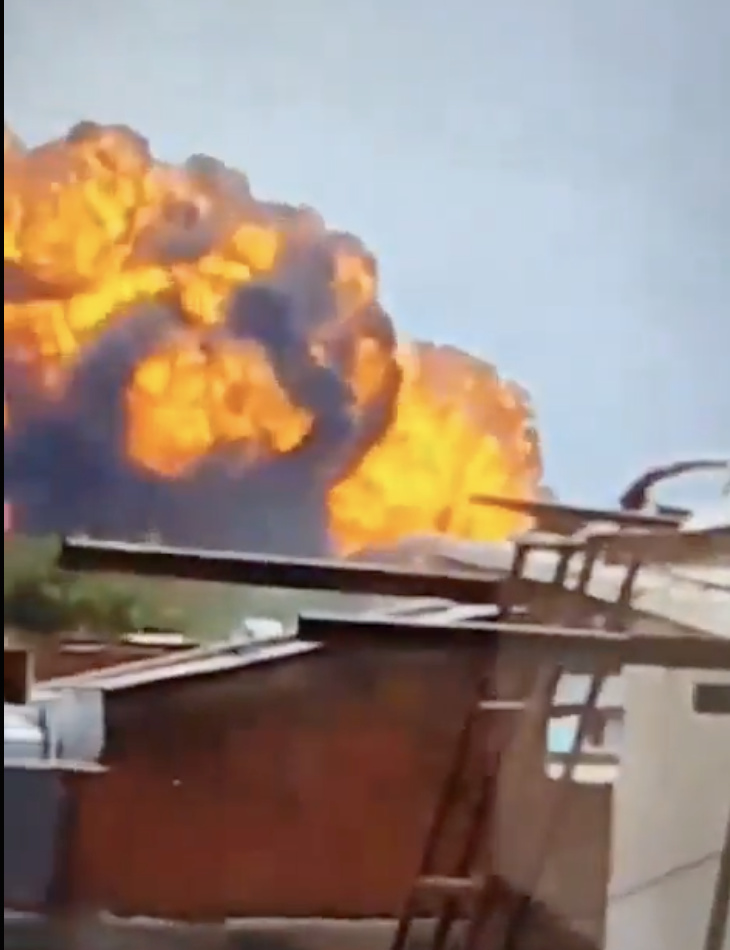
An Air India flight bound for London, Gatwick Airport has tragically crashed into a doctor’s hostel in Ahmedabad, India. It is not known yet how the tragedy occurred. The aeroplane was fully laden with fuel, set for a 9-hour flight to London.

air india crash survivorUPDATE: Unconfirmed reports of one survivor found in the plane wreckage.

40-year-old Vishwash Kumar Ramesh has miraculously survived the Air India crash, it has been reported by Indian rescuers.

THEORIES: The flaps for the plane were not extended, therefore not providing enough lift for the aircraft. This is possibly attributed to pilot error or a major malfunction. There is also a possibility that there were multiple bird strikes on the engines, causing engine failures. The pilot’s final message was “engine failure”.

The UK Air Accidents Investigation Branch (AAIB) has formally offered its assistance to the Aircraft Accident Investigation and are sending a team to India.

The Air India Boeing 787-8 Dreamliner, was carrying 169 Indian citizens, 53 British, seven Portuguese and one Canadian.

In pre-market trading, Boeing stock was already down 8%.

Story developing …

Gender Gap Narrows at Fastest Rate Since COVID – But Full Equality Still 123 Years Away

2

According to the World Economic Forum’s Global Gender Gap Report 2025, the global gender gap has narrowed to 68.8%, the fastest rate of progress recorded since the pandemic. However, despite this improvement, true gender parity remains a distant prospect—an estimated 123 years away at the current pace of change.

While women now surpass men in higher education attainment, they continue to be significantly underrepresented in senior leadership, occupying just 28.8% of such positions globally. This represents a missed opportunity for economies striving for greater resilience, innovation, and sustainable growth in uncertain times.

Political representation has shown the greatest year-on-year improvement, but remains the most underdeveloped area. Only 22.9% of the global political empowerment gap has been closed, making it the most significant obstacle to achieving full parity worldwide.

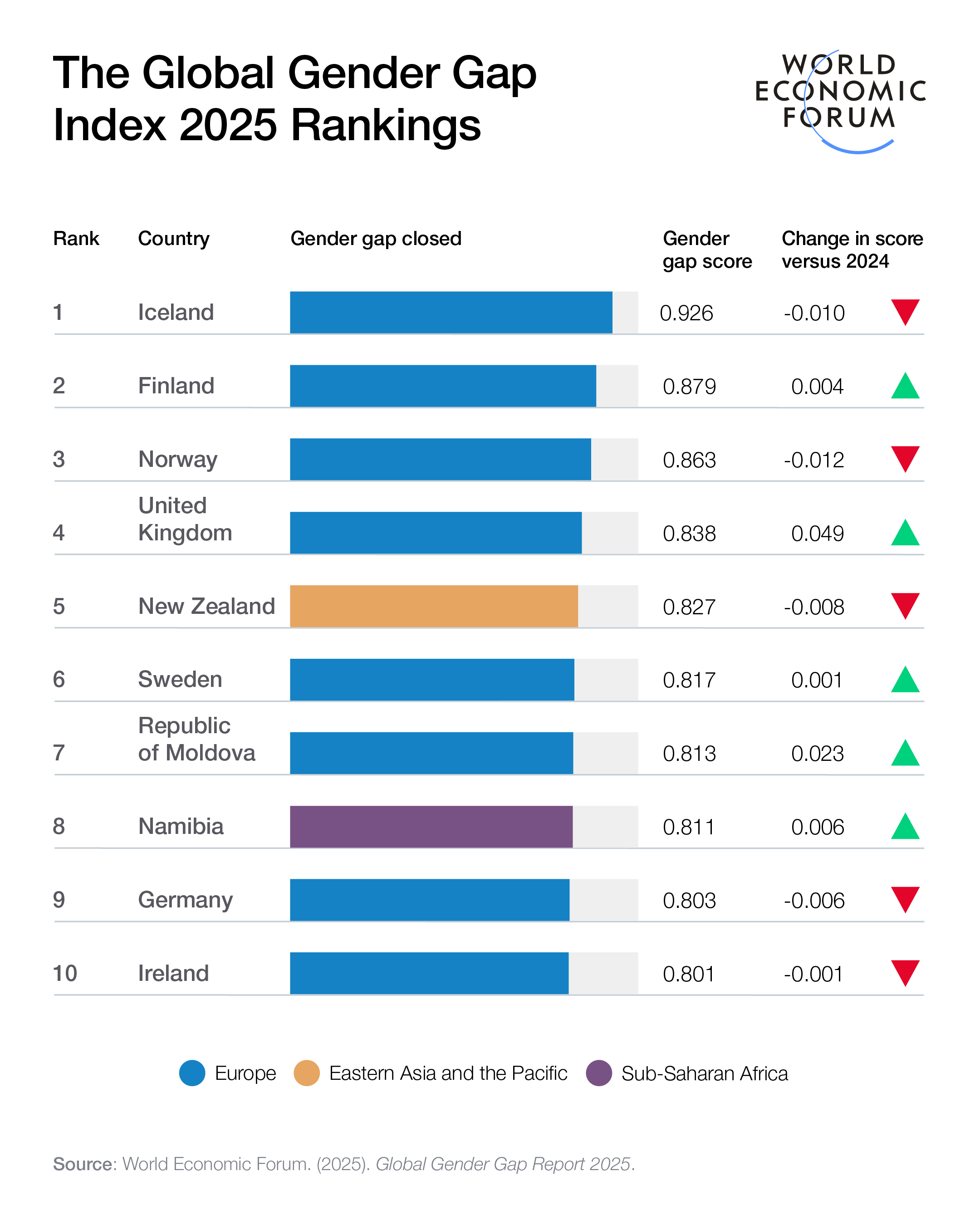
The report, covering 148 economies, places Iceland at the top for the 16th consecutive year with 92.6% of its gender gap closed. It remains the only country to exceed the 90% threshold. Finland, Norway, the UK (with a score of 83.8%), and New Zealand round out the top five. All ten leading nations have closed over 80% of their gender gaps, with European countries occupying eight of those positions. Iceland, Finland, Norway, and Sweden have consistently been in the top 10 since 2006.

Encouragingly, the report indicates that both educational attainment and health outcomes are nearing parity, each exceeding 95%. Yet, despite women comprising over 41% of the global workforce, their underrepresentation in leadership roles remains stark and persistent.

Saadia Zahidi, Managing Director at the World Economic Forum, noted that amid economic uncertainty, low growth, and technological upheaval, gender parity is not just a social goal but an economic necessity. Nations making meaningful progress in this area are better positioned for long-term prosperity.

Wealth and Parity – Not Always Linked

The index measures gender-based disparities in outcomes, not overall wealth or opportunity. While higher-income countries tend to show slightly narrower gender gaps—with an average of 74.3% of the gap closed—this correlation is limited. Several lower-income nations outperform many wealthier counterparts, demonstrating that achieving gender parity is possible at all stages of development. The key lies not in GDP, but in actively embedding parity into national growth strategies.

gender gap wef graph.

Regional Highlights

North America leads globally with a score of 75.8%, thanks to strong economic participation (76.1%) and notable gains in political representation. Europe follows closely with a 75.1% score and the world’s highest level of political empowerment (35.4%). Since 2006, Europe has improved its gender parity by over six percentage points.

Latin America and the Caribbean are the fastest-improving regions, now at 74.5%—an 8.6 percentage point increase since 2006. Central Asia comes next with a score of 69.8%, with Armenia and Georgia leading within the region.

East Asia and the Pacific follow with 69.4%. New Zealand, Australia, and the Philippines top the regional rankings, with New Zealand the only one in the global top 10. Sub-Saharan Africa sits at 68.0%, with progress in political empowerment reflected by women holding over 40% of ministerial roles and nearly 38% of parliamentary seats.

South Asia ranks seventh with 64.6%; Bangladesh, at 77.5%, remains the region’s highest performer and the only South Asian country in the global top 50. Finally, the Middle East and North Africa come in last with 61.7%, though the region has more than tripled its political empowerment score since 2006.

Progress Still Too Slow

Though the pace of improvement has quickened, projections remain sobering. Based on the 100 economies continuously tracked since 2006, global gender parity is still over a century away. Political parity is the slowest-moving area: despite a 9-point gain since 2006, it will take 162 years to close the gap at current rates. Economic parity, having improved by 5.6 points, remains 135 years away.

However, the success of nations like Saudi Arabia, Mexico, Ecuador, Bangladesh, and Ethiopia within their respective income groups shows that targeted interventions can deliver swift change when gender parity is treated as a strategic national goal.

Emerging Risks from Technological and Economic Shifts

As global trade patterns evolve and AI reshapes the workforce, there are growing concerns that women’s economic gains could reverse. In lower- and middle-income countries, many women have moved into better-paid formal work—particularly in export-driven industries—which are now vulnerable to disruptions. As seen during the COVID-19 pandemic, the impact of trade shocks tends to last longer for women, exacerbating pre-existing inequalities in income and opportunity.

Therefore, it’s critical that policymakers factor in the gendered impact of trade fragmentation and technological disruption in future economic planning.

Depositphotos_190369532_S

Wasted Potential in the Leadership Pipeline

Although more women than men are attaining higher education, this is not translating into leadership roles. Even among the most highly educated, women make up less than a third of senior executives—a systemic inefficiency with significant economic consequences.

Sue Duke of LinkedIn highlights the urgency: “In an economy increasingly shaped by AI and innovation, the human skills and diverse insights women bring to leadership are being overlooked at precisely the moment they’re most needed.”

Career paths are also changing. Leadership roles are increasingly filled by individuals with broad experience across different sectors or job functions, rather than following traditional vertical career ladders. This shift poses additional challenges for women, who are 55% more likely than men to take career breaks—typically for caregiving responsibilities—and who spend on average six months more out of the workforce.

This evolving reality calls for a more flexible approach to career development and re-entry, especially if economies are to tap into the full spectrum of available talent.

The Global Gender Gap Report—now in its 19th year—is the most established measure of gender-based disparities across economic participation, education, health, and politics. This year’s edition analyses data from 148 economies, covering more than two-thirds of the world’s population. It draws from datasets compiled by global institutions including the ILO, UNESCO, UN Women, the World Bank, the WHO, and LinkedIn’s Economic Graph.

The report supports the Global Gender Parity Sprint to 2030, a World Economic Forum platform that mobilises a coalition of businesses, governments, and international organizations to accelerate progress on economic gender parity.