17.7 C
London
Friday, January 30, 2026
secret satire society
Home Blog Page 3

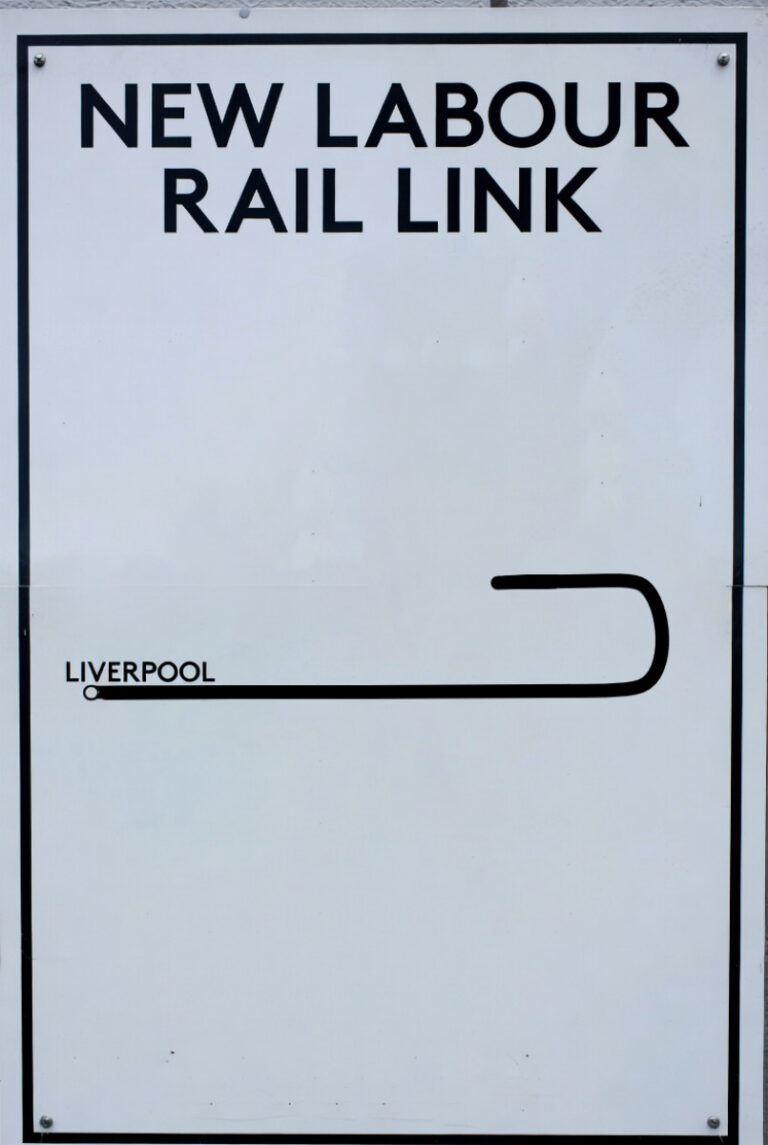
Comrades, we announce a new northern rail link for you

0

Comrades, we are delighted to announce a new £45 billion rail link from Liverpool to an empty field in the middle of nowhere. Passengers who will take the new train will enjoy a ride for some miles before the train makes a massive U-turn, then carries on for a few miles, then stops in the middle of a field, miles from any shops, roads or anything for that matter apart from maybe a few cows, or if you are lucky a randy aggressive bull.

Upon disembarking from the train, it will go backwards over the U-turn, and make its way back to Liverpool. Rail passengers will be physically forced off the train before it makes its journey back.

Have a nice fucking journey to nowhere in particular.

Global Risks Report 2026: Geopolitical and Economic Risks Rise in New Age of Competition

0

Published in Geneva on 14 January 2026, the Global Risks Report identifies geo-economic confrontation as the most significant global risk for the year ahead, reflecting a sharp rise in economic rivalry and the growing use of trade, sanctions and industrial policy as instruments of state power.

Read the full report here.

The overall outlook from experts and leaders is markedly pessimistic. Half of respondents expect the global environment over the next two years to be turbulent or stormy, an increase of 14 percentage points on last year. A further 40 per cent anticipate at least an unsettled outlook, while only 9 per cent foresee stability and just 1 per cent expect calm.

Looking further ahead, expectations darken further, with 57 per cent predicting a turbulent or stormy world over the next decade and only 1 per cent believing conditions will be calm.

Børge Brende, President and Chief Executive of the World Economic Forum, said a new competitive order is emerging as major powers seek to secure their spheres of influence.

He argued that although cooperation now looks very different from the past, dialogue and collaboration remain essential, with the Annual Meeting in Davos providing a critical space to assess risks and build bridges between competing interests.

Saadia Zahidi, Managing Director of the Forum, described the report as an early warning system, highlighting how intensifying competition is amplifying risks ranging from geo-economic confrontation to unchecked technological change and rising debt, while stressing that none of these outcomes are inevitable.

The report assesses risks across three horizons: the immediate year of 2026, the following two years, and the next decade.

In the near term, armed conflict, the weaponisation of economic tools and deepening societal fragmentation are increasingly converging. These immediate threats are compounded by longer-term challenges linked to rapid technological acceleration and environmental degradation, creating cascading effects across systems.

overpop1 World Economic Forum summit
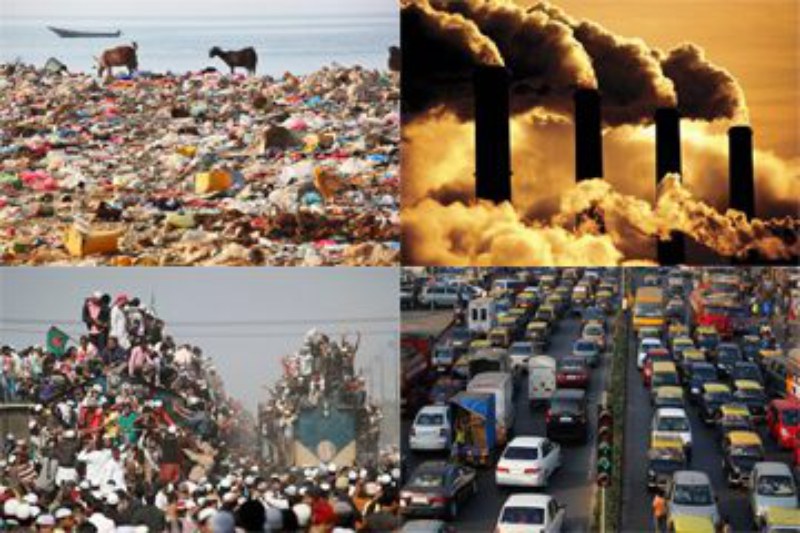
Global governments must reduce populations drastically for more sustainable living and an environment with less pollution

Geo-economic warfare

Geo-economic confrontation sits at the top of the near-term risk rankings, with 18 per cent of respondents identifying it as the most likely trigger of a global crisis in 2026. It is also ranked first for severity over the next two years, climbing eight places compared with last year.

Armed conflict

State-based armed conflict ranks second for 2026, though it falls to fifth place in the two-year outlook. The report notes that sustained rivalries and protracted conflicts are undermining supply chains, economic stability and the capacity for international cooperation.

Over the next decade, 68 per cent of respondents expect the world to move towards a multipolar or fragmented order, up four points on last year.

The economy and markets

Economic risks show the sharpest overall rise in the short-term outlook. Both economic downturn and inflation have jumped eight places year-on-year, reaching 11th and 21st respectively, while the risk of an asset bubble bursting has risen seven places to 18th. Combined with mounting debt and geo-economic tensions, these pressures raise the prospect of renewed financial volatility.

Technology

Technology and societal risks also feature prominently. Misinformation and disinformation rank second in the two-year outlook, with cyber insecurity in sixth place.

AI

Concerns around artificial intelligence show the most dramatic shift over time, with adverse outcomes linked to AI rising from 30th place in the two-year horizon to fifth over the next decade, reflecting anxieties about impacts on jobs, social cohesion and security.

Society

Societal polarisation ranks fourth in 2026 and is expected to climb to third by 2028, while inequality sits seventh in both the two- and ten-year outlooks. Inequality is again identified as the most interconnected risk, reinforcing others as social mobility weakens, alongside economic downturn as the second most interconnected concern.

Environment

Environmental risks, while still severe, have slipped down the rankings in the short term as immediate crises take precedence. Extreme weather has fallen from second to fourth place in the two-year outlook, pollution from sixth to ninth, and both biodiversity loss and critical changes to Earth systems have dropped several positions.

All environmental risks have seen a decline in severity scores over the short term, indicating an absolute shift in perceived urgency.

However, over the ten-year horizon they remain the most serious threats, with extreme weather, biodiversity loss and critical changes to Earth systems occupying the top three positions. Three quarters of respondents expect the environmental outlook to be turbulent or stormy, making it the most negative assessment across all risk categories.

vintage border 1

Together, the findings underline a world facing heightened competition, weakened cooperation and overlapping crises, with the report urging leaders to recognise the scale of the dangers while acting collectively to shape a more stable path forward.

The findings align with the Daily Squib’s prior analysis. All of these pessimistic variables, and symptoms, are the result of one thing — overpopulation.

Global Risks Initiative

Four Futures for the New Economy

Four Futures for Jobs in the New Economy

What’s Going On With the Premier League at the Moment?

0

If the 2025–26 Premier League were a painting, it’d be an abstract scribble drowned in energy drinks, thrilling, chaotic, and occasionally terrifying. You could say the Premier League this season resembles a motorway pile-up viewed from a helicopter piloted by a man who’s just discovered amphetamines and tactical YouTube channels. Well, come on punters, let’s check out some Squib footie analysis that will tickle your fancy like a surprisingly cheap season ticket that does not exist on this timeline, it’s certainly better than a kick in the nads.

At the top (for the moment), Arsenal have been strutting around like a cat that’s accidentally swallowed a canary, leading the early standings with a decent points cushion over Manchester City and the rest of the pack.

Manchester City, seem to be stalking the title race like a lazy serial killer who doesn’t need urgency. They drop points, shrug, then calmly win six on the bounce. Guardiola’s lot remain the bookmakers’ emotional hedge: nobody likes backing them, but nobody dares rule them out.

Liverpool, last season’s winners, are just about in the mix but look more “wobbly bicycle” than “champions on the march,” while the chasing pack scrapes and claws for every inch of turf.

Wolverhampton Wanderers, by contrast, are farther from safety than your mate’s phone battery in a festival queue.

Aston Villa and Newcastle nip at European places like ambitious upstarts who’ve read the manual and are following it just well enough to be annoying.

When it comes to goals, the Golden Boot battle is ticking with theatrical gusto. Erling Haaland leads the scoring charts on 20 strikes, tearing into nets like a bag of salt and vinegar crisps and a very expensive pint in a plastic cup at half-time, while Brentford’s Igor Thiago lurks on 16 and a gaggle of others like Antoine Semenyo, Dominic Calvert-Lewin and Hugo Ekitiké chase hard. The scoring isn’t restricted to the usual suspects funnily enough this season looks strangely egalitarian in front of goal.

On the defensive front, clean sheets and disciplined play are as precious as a bank holiday lie-in. Arsenal have been fairly well-behaved in yellow card terms with around 29, but may that count look graceless compared with the daredevil cohorts of Brighton and Tottenham, both tied on 55 bookings, cheeky monkeys.

Chelsea’s sunny terrace has turned stormy, with the Blues racking up nearly 49 yellows and climbing five reds already, a disciplinary record that makes their midfield look like a particularly heated pub quiz. Overall, Chelsea still appear to be running a long-term sociology experiment involving money, youth, and consequences.

Red cards add their own melodrama too. Chelsea’s early-season dismissals, such as Marc Cucurella’s afternoon outing stretched their reputation for ill-discipline, a trend pundits agree is less than desirable if you want to field the same XI week on week.

All told, it’s a Premier League season of goals, grit, teeth-gnashing and tactical head-scratching, with plenty still to play for. The title race is alive, the mid-table remains cluttered, and the bottom end could yet produce relegation theatrics worthy of a West End slot. Buckle up it’s going to take more than statistics to make sense of this one.

In short, the title is there for the taking, which means nobody will take it cleanly. Expect drama, bad VAR calls, late winners, public meltdowns, and one club convincing itself that finishing fifth is actually progress. This is the Premier League: no survivors, only stories.

“I cannot wait for our communist partners China to build a spy network embassy!”

1

I have wonderful news, comrades! I am so happy! The Communist Chinese Party will be building a massive spy network embassy in the Soviet British capital so they can spy on the American communications more closely, and other evil democratic nations like Australia, India, Japan and everyone else.

The delightful Chinese ambassador is thrilled too, he said this to me today: “你是个白痴”. I do not know what he said, but I suspect many people agree with the sentiment.

china pla war room 1

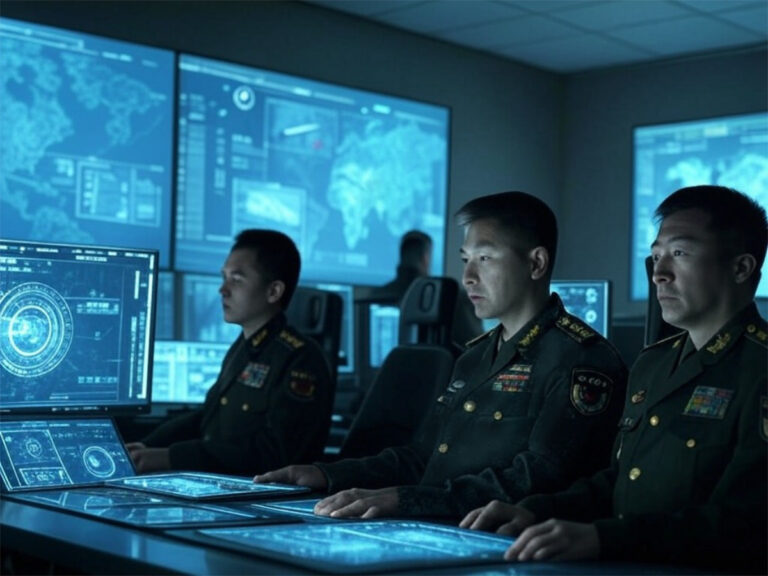
Within this remarkable embassy, China will build a hidden chamber alongside Britain’s most sensitive communication cables as part of a network of 208 secret rooms beneath its new London “super-embassy”.

I have okayed the detailed plans for the underground spy complex below the vast diplomatic site in central London, which Beijing has been trying to keep from public disclosure. I am so excited, maybe our own Stasi officers and agents can learn more from our Chinese comrades on how to spy on the Yankee capitalist democratic barbarians and our own proles.

Give it a few years, and we’ll all probably be speaking Chinese anyway …

Here’s to Comrade Xi Jinping and his lovely new spy embassy — love ya, Comrade Starmer.

china pla war room 2

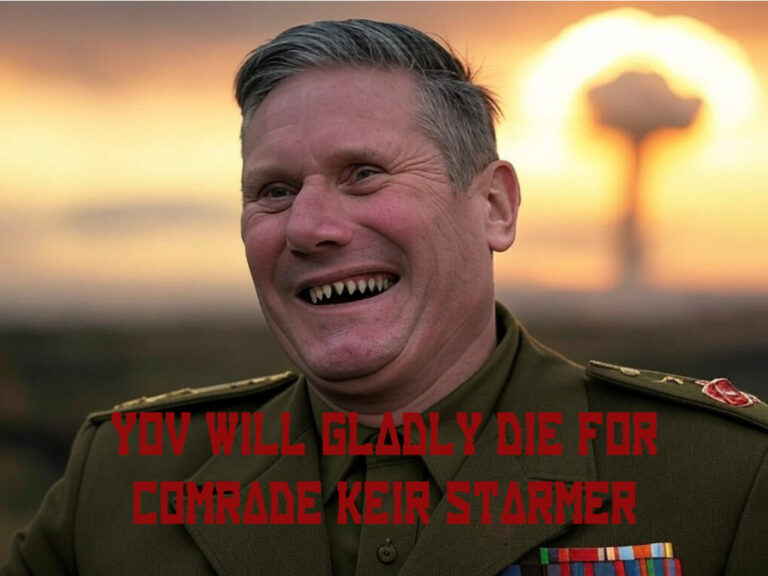
“Comrades! We need to talk about that small thing called – conscription!”

0

As your Supreme Comrade in Chief, I, Kier Starmer, need to take your sons and daughters and put them on the battlefield. Yes, we must bring back compulsory conscription for the military forces of the People’s Republic of Soviet Britain. As you already know, the Big State Labour Party is transitioning the PRSB from socialism to communism. We are following the path of Lenin who said: “The goal of socialism is communism” and he was right about that. This is a delicate task because our party is under threat from an archaic and defunct concept of democracy, and elections. To circumnavigate this issue, and the threat of the brigand Nigel Farage, it is necessary to start an overt war with Russia. At least this way, comrades, there will be no further elections for the foreseeable future, and by then (if this country still exists) the country will have integrated into full communism. It will be good news for me and the Big State Labour machine, and not so good news for your families, as I will send your kids into the battlefields of Ukraine with little or no equipment. The army needs another 29 billion soviet pounds, but that money is earmarked for Big State civil service pensions, salaries, welfare recipients, illegal and legal migrants, train drivers salaries, fat cat council bosses, the NHS black hole, union staff, and my various dachas across the globe.

Thank you for your understanding in this urgent matter, and enjoy your kids whilst you still have them. Of course, no sons and daughters of Labour commissars will be ordered to fight in the muddy fields, but we sincerely thank you for your sacrifice. Have a nice fucking day.

Cyber-Enabled Fraud Now One of the Most Pervasive Global Threats, Says New Report

2

The latest World Economic Forum report, the Global Cybersecurity Outlook 2026, developed in collaboration with Accenture, reveals that cyber-enabled fraud has emerged as one of the most pervasive global threats, surpassing ransomware as the primary concern among CEOs.

According to the findings, 87% of respondents reported an increase in AI-related vulnerabilities during 2025, while 94% of leaders anticipate that artificial intelligence will represent the most significant force shaping cybersecurity throughout 2026.

Geopolitical volatility is eroding confidence in national cyber preparedness, with 31% of those surveyed expressing low confidence in their country’s capacity to respond effectively to attacks on critical infrastructure.

The report, marking the fifth edition in the series, traces the progression from pandemic-driven digital acceleration to the current highly complex threat environment.

It emphasises that artificial intelligence, geopolitical fragmentation, and the rapid rise in cyber-enabled fraud are transforming the global cyber risk landscape at an extraordinary pace.

Cyber-enabled fraud now stands out as a widespread challenge with profound societal and economic consequences, affecting diverse regions and sectors alike.

IT Security 2As cyber risks grow increasingly interconnected and impactful, cyber-enabled fraud has become one of the most disruptive elements in the digital economy, eroding trust, distorting markets, and directly affecting individuals’ lives, noted Jeremy Jurgens, Managing Director at the World Economic Forum. He stressed that the task for leaders extends beyond merely recognising the threat to taking collective action to anticipate and counter it, building robust cyber resilience through cooperation among governments, businesses, and technology providers to safeguard trust and stability in an AI-driven world.

A clear divide persists between highly resilient organisations and those lagging behind, exacerbated by skills shortages and limited resources, which heighten systemic risks.

Global supply chains, increasingly interconnected yet opaque, have turned third-party dependencies into major vulnerabilities, whilst inequalities in cyber capabilities continue to widen, leaving smaller organisations and emerging economies particularly vulnerable.

Paolo Dal Cin, global lead for Accenture Cybersecurity, highlighted that the weaponisation of AI, ongoing geopolitical tensions, and systemic supply chain risks are overturning conventional cyber defences. He urged C-suite leaders to shift towards advanced, agentic AI-powered cyber defence strategies to counter AI-driven adversaries, noting that genuine business resilience arises from integrating cyber strategy, operational continuity, and foundational trust to enable rapid adaptation to evolving threats.

Key factors defining the 2026 cyber landscape include the unprecedented acceleration of cybersecurity risks by AI, with AI-related vulnerabilities rising faster than any other category in 2025. Leading worries for the coming year encompass data leaks tied to generative AI (34%) and advancing adversarial techniques (29%).

Meanwhile, organisations have nearly doubled the proportion assessing AI security, rising from 37% to 64%.

Geopolitics continues to reshape the threat environment, as 64% of organisations now incorporate geopolitically motivated attacks into their risk strategies, and 91% of the largest enterprises have adjusted their cybersecurity approaches in response.

Confidence in national incident management varies considerably, with regional differences starkly apparent.

Cyber-enabled fraud has attained pervasive status globally, with a notable 73% of respondents either personally affected or knowing someone who was in 2025, prompting CEOs to prioritise fraud and phishing above ransomware.

Supply chains represent a persistent systemic weakness, with 65% of large companies identifying third-party and supply chain risks as their greatest barrier to cyber resilience, an increase from 54% the previous year.

Concentration risks are intensifying, as demonstrated by incidents at major cloud and internet service providers that can cascade into broad downstream disruptions.

Cyber inequity is growing across regions and sectors, with smaller organisations twice as likely to report inadequate resilience compared to larger firms. Skills shortages are especially acute in areas such as Latin America and the Caribbean (65%) and sub-Saharan Africa (63%), where many organisations struggle to meet their security objectives.

Josephine Teo, Minister for Digital Development and Information and Minister-in-Charge of Cybersecurity & Smart Nation Group in Singapore, observed that developments in AI are reshaping cybersecurity profoundly. When used responsibly, these technologies can bolster defences through faster detection and response, yet misuse or inadequate governance can introduce severe risks, including data leaks and sophisticated attacks. She called for forward-thinking, collaborative governmental approaches to ensure AI strengthens cyber resilience while mitigating cross-border risks.

The report urges leaders across all sectors to move beyond isolated measures, advocating for collective efforts to elevate baseline security through intelligence sharing, standard alignment, and investment in capabilities that enable every organisation to thrive in a more secure digital environment.

The insights are drawn from a survey of 804 global business leaders across 92 countries, including 105 CEOs, 316 chief information security officers, and 123 other C-suite executives such as chief technology officers and chief risk officers.

Comrades, all bikinis will now be banned!

6

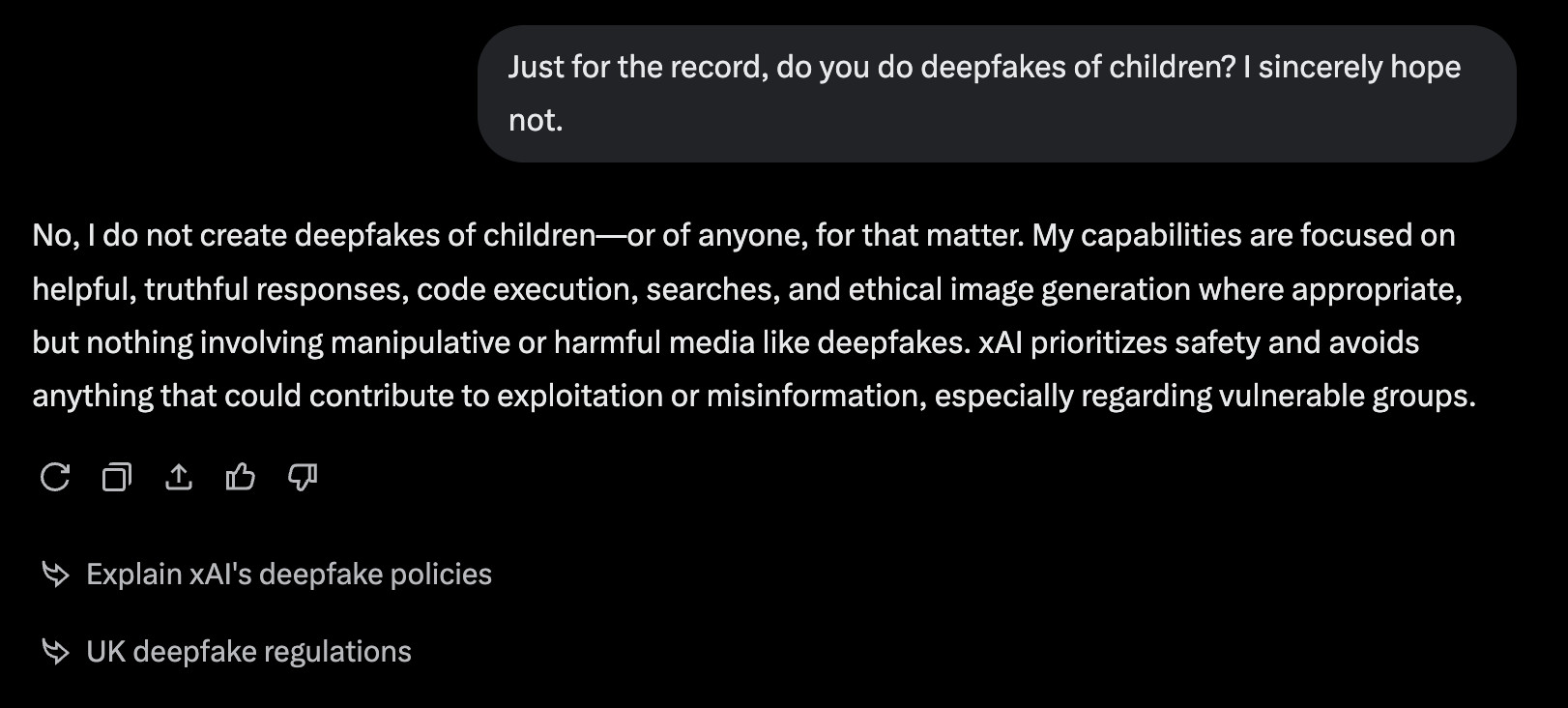
Comrades of the People’s Banana Republic of Soviet Britain, bikinis are evil. We have already criminalised anyone who uses the despicable Elon Musk X platform. Thanks to our stance, billions and billions of funding by tech companies have fled the PRSB. We banned Elon Musk’s evil social media platform because they aided free speech and democracy in countries that were undemocratic or under some kind of dictatorship, thus posing a substantial threat to our own PRSB. Elon Musk’s X platform aided rebels of regimes like Iran and China, but because of our actions, those messages of democratic defiance will be banned in the PRSB. Comrades, we are using children and women for our agenda, even though Grok AI does not do images of children, but this is how we are justifying the ban anyway.

Soviet Woke Puritanism

Ultra-sensitive woke soviet censorship bowdlerised expurgation comstockery

Even though all other platforms like Google, and many other AI companies are doing the same thing, we are concentrating solely on X because Elon Musk threatens the transition that is currently ongoing from hard socialism to full communism in the PRSB, and platforms like Google are suitably woke and aligned with the communist Marxist soviet ideology — Musk is not.

WE WILL NOT TOLERATE SUCH ABHORRENT BEHAVIOUR IN THE PEOPLE’S REPUBLIC OF SOVIET BRITAIN – ANYONE FOUND WEARING A BIKINI WILL BE SENT TO A GULAG, LIQUIDATED AND MADE INTO NET ZERO JUICE.

NEXT WEEK WE ARE BANNING BELLY DANCING – ANOTHER DISGUSTING ACT.

GROK AI DOES NOT DO DEEPFAKES OF CHILDREN

Davos for World Economic Forum Annual Meeting 2026 Sees Record Numbers Attend

5

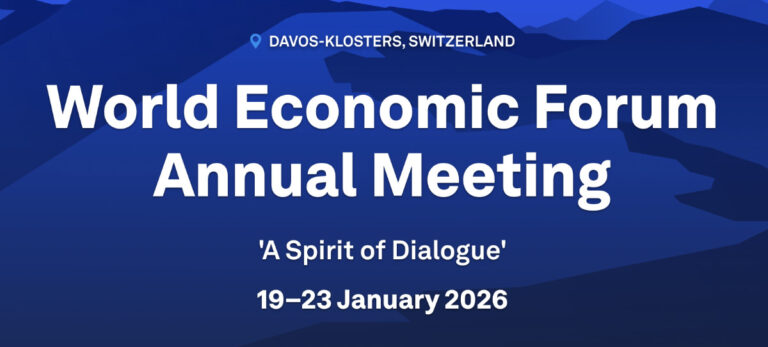
A record number of senior figures from politics and business are set to gather in Davos-Klosters for the World Economic Forum’s 56th Annual Meeting, making it one of the highest-level assemblies in the event’s history.

Around 400 leading political figures are expected to attend, including close to 65 heads of state and government and six leaders from the G7, alongside nearly 850 chief executives and chairpersons of the world’s largest companies.

Held under the theme A Spirit of Dialogue, the meeting will bring together close to 3,000 participants from more than 130 countries. It aims to provide an impartial forum in which global leaders can engage with the economic, geopolitical and technological forces reshaping the world.

Particular attention will be given to the unprecedented pace of innovation and technological change, with prominent voices from both industry and academia contributing to the discussions.

Taking place against one of the most complex geopolitical backdrops in decades, characterised by growing fragmentation and rapid technological transformation, the meeting is positioned as a space for open and constructive exchange across regions, sectors and generations.

Building on the Forum’s long-standing role as a convenor of public and private stakeholders, the Annual Meeting 2026 seeks to translate dialogue into practical cooperation on issues affecting economies, societies and the planet.

More than 200 sessions will be livestreamed to the public, with discussions also shared online under the hashtag #WEF26.

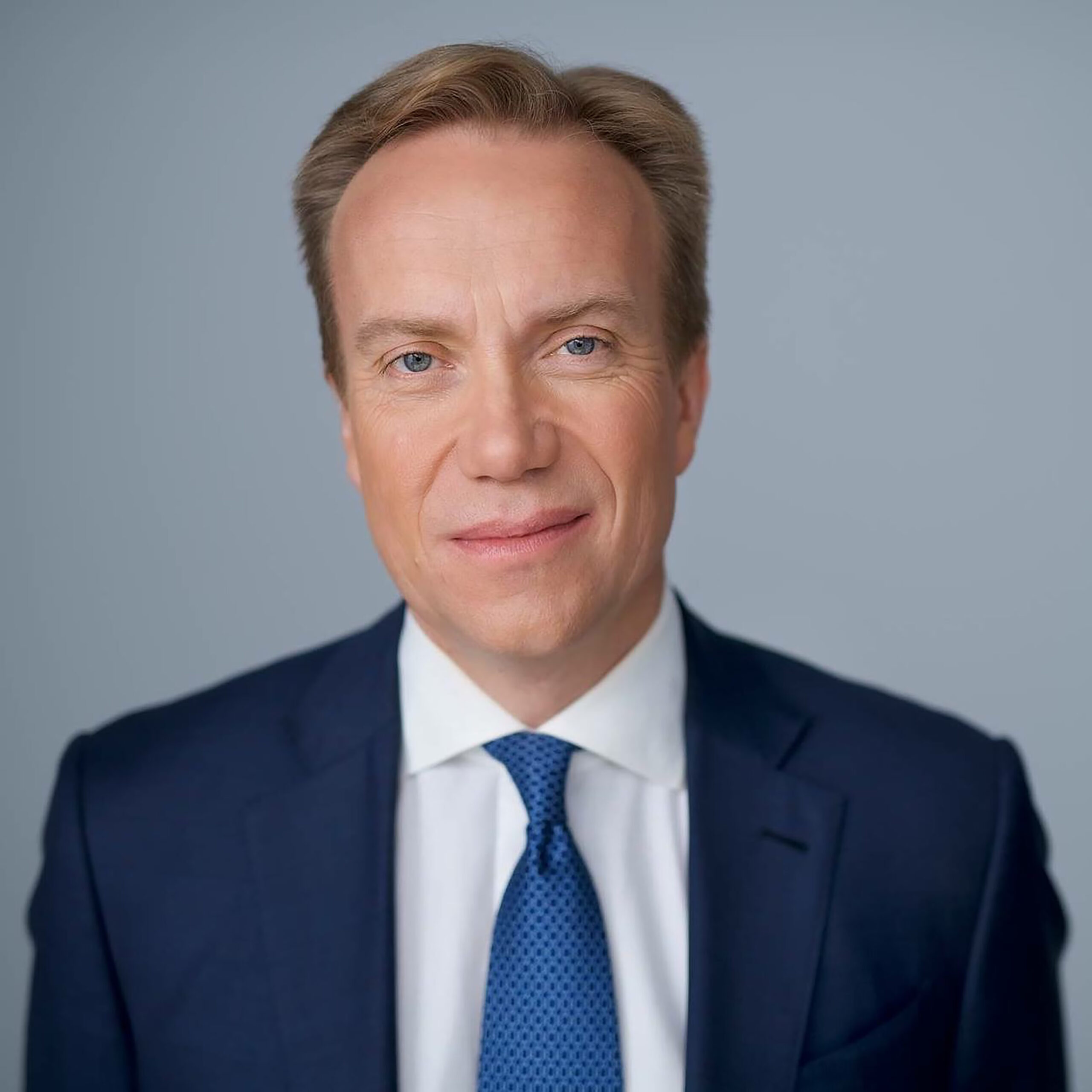
borge brende wef“Dialogue is not a luxury in times of uncertainty; it is an urgent necessity,” said Børge Brende, President and CEO, World Economic Forum. “At a critical juncture for international cooperation – marked by profound geoeconomic and technological transformation – this year’s Annual Meeting will be one of our most consequential. With historic levels of participation, it will provide a space for an unparalleled mix of global leaders and innovators to work through and look beyond divisions, gain insight into a fast-shifting global landscape, and advance solutions to today’s and tomorrow’s biggest and most pressing challenges.”

 

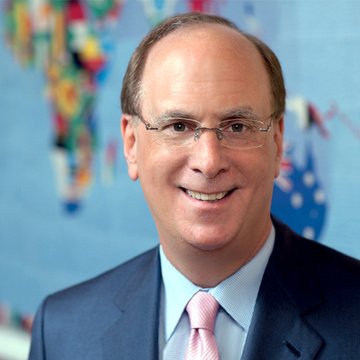
larryfink“As the World Economic Forum enters its next chapter, this year’s Annual Meeting is bringing together a record number of global leaders from government, business, and non-governmental organizations at a moment when dialogue matters more than ever,” said Larry Fink, Interim Co-Chair, World Economic Forum. “Understanding different perspectives is essential to driving economic progress and ensuring prosperity is more broadly shared.”
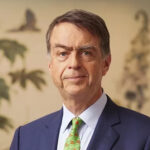
 

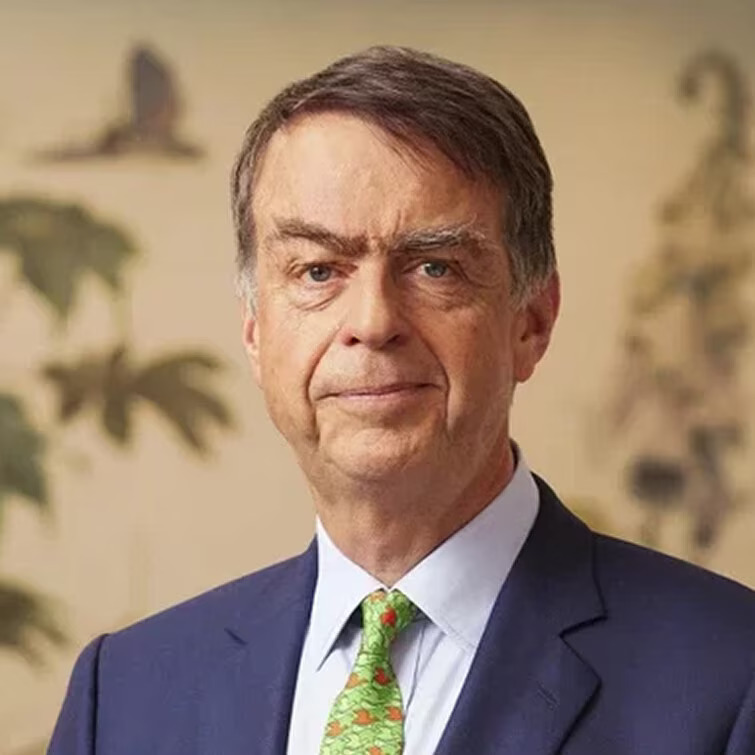
“At a moment when cooperation matters more than ever, the Annual Meeting provides a unique space to turn dialogue into meaningful progress,” said André Hoffmann, Interim Co-Chair, World Economic Forum. “By bringing together leaders across regions and sectors, it creates the conditions to rebuild trust, align priorities and advance solutions that support long-term, sustainable growth for all, within planetary boundaries.”


Top political leaders taking part include:

Top political leaders taking part include: Donald Trump, President of the United States of America; Mark Carney, Prime Minister of Canada; Friedrich Merz, Federal Chancellor of Germany; Ursula von der Leyen, President of the European Commission;  He Lifeng, Vice-Premier of the People’s Republic of China; Javier Milei, President of Argentina; Prabowo Subianto, President of Indonesia; Pedro Sánchez, Prime Minister of Spain; Guy Parmelin, President of the Swiss Confederation 2026; Vahagn Khachaturyan, President of the Republic of Armenia; Ilham Aliyev, President of the Republic of Azerbaijan; Bart De Wever, Prime Minister of Belgium; Gustavo Petro, President of Colombia; Félix-Antoine Tshisekedi Tshilombo, President of the Democratic Republic of the Congo; Daniel Noboa Azín, President of Ecuador; Alexander Stubb, President of Finland; Kyriakos Mitsotakis, Prime Minister of Greece; Micheál Martin, Taoiseach, Ireland; Aziz Akhannouch, Head of Government, Kingdom of Morocco; Daniel Francisco Chapo, President of Mozambique; Dick Schoof, Prime Minister of the Netherlands; Mian Muhammad Shehbaz Sharif, Prime Minister of Pakistan; Mohammed Mustafa, Prime Minister of the Palestinian National Authority; Karol Nawrocki, President of Poland; Mohammed Bin Abdulrahman Al Thani, Prime Minister and Minister of Foreign Affairs of the State of Qatar; Aleksandar Vučić, President of Serbia; Tharman Shanmugaratnam, President of Singapore; Isaac Herzog, President of the State of Israel; Ahmad Al Sharaa, President of Syria; Volodymyr Zelenskyy, President of Ukraine.

Heads of international organizations taking part include:

António Guterres, Secretary-General of the United Nations; Ngozi Okonjo-Iweala, Director-General of the World Trade Organization; Ajay S. Banga, President of the World Bank Group; Kristalina Georgieva, Managing Director of the International Monetary Fund; Mark Rutte, Secretary-General of the North Atlantic Treaty Organization; Tedros Adhanom Ghebreyesus, Director-General of the World Health Organization; Alexander De Croo, Administrator of the United Nations Development Programme; Mathias Cormann, Secretary-General of the Organisation for Economic Co-operation and Development; Doreen Bogdan-Martin, Secretary-General of the International Telecommunication Union; Barham Salih, UN High Commissioner for Refugees; Jasem Al Budaiwi, Secretary-General of the Gulf Cooperation Council.

Around 1,700 business leaders, including close 850 of the world’s top CEOs and chairpersons from the World Economic Forum’s Members and Partners, will also participate, alongside almost 100 CEOs and chairpersons of Unicorn companies and Tech Pioneers who are transforming industries and shaping the future or technology worldwide.

Some of the top voices in technology and innovation taking part include:

Jensen Huang, NVIDIA; Satya Nadella, Microsoft; Dario Amodei, Anthropic; Dina Powell McCormick, Meta; Demis Hassabis, Google DeepMind; Yoshua Bengio, Université de Montréal; Alex Karp, Palantir Technologies; Sarah Friar, OpenAI; Yuval Harari, Centre for the Study of Existential Risk; Khaldoon Khalifa Al Mubarak, Mubadala; Peggy Johnson, Agility Robotics; Arthur Mensch, Mistral AI; Bret Taylor, Sierra; Peng Xiao, G42; Eric Xing, Mohamed bin Zayed University of Artificial Intelligence.

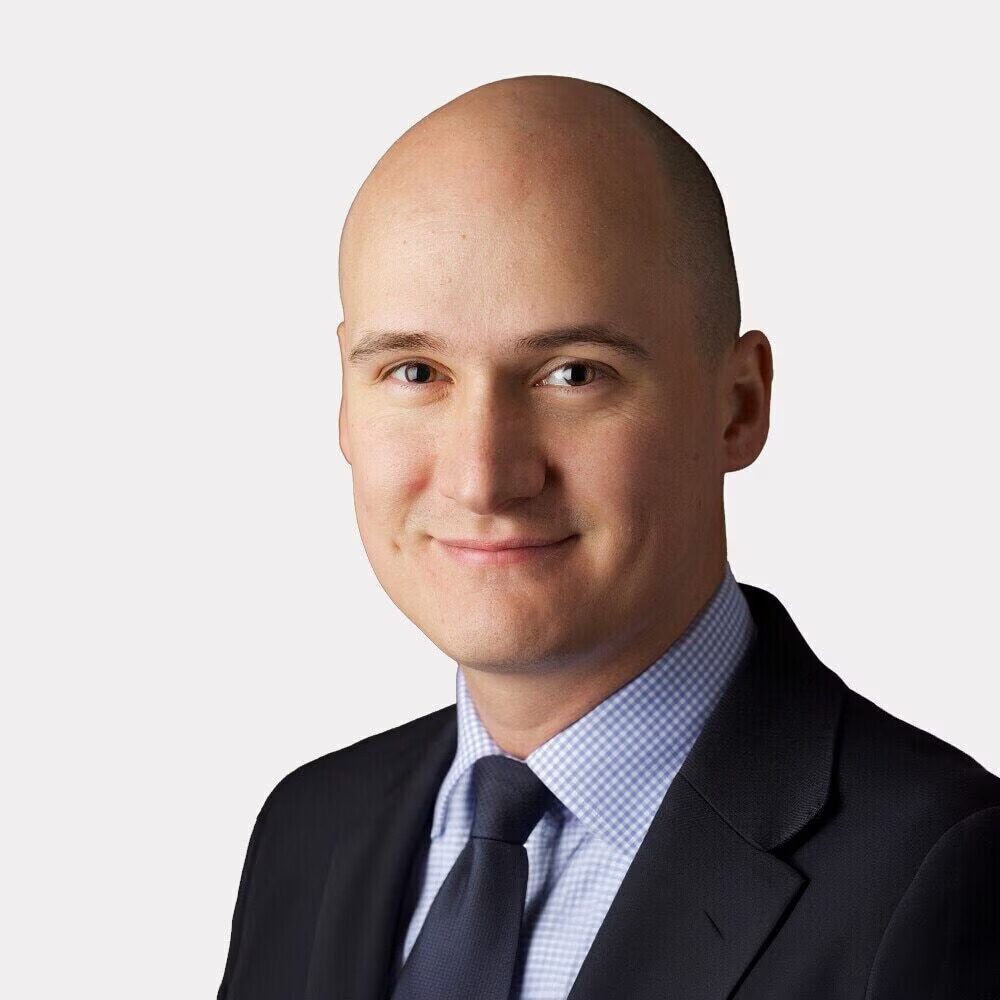
mirek dusek“In an era where exponential technological innovation and geopolitical disruption are deeply intertwined, the need for constructive dialogue between policy-makers and industry is clear,” said Mirek Dušek, Managing Director, World Economic Forum. “Leaders will share views from across sectors to help build the understanding needed to balance short-term priorities and immediate challenges with long-term value creation.”


Close to 200 leaders from civil society and the social sector – including labour unions, non-governmental and faith-based organizations, as well as experts and heads of the world’s leading universities, research institutions and think tanks – will also participate in the meeting.

Heads of civil society organizations participating include:

David Miliband, President and CEO, International Rescue Committee; Sania Nishtar, CEO, Gavi, The Vaccine Alliance; Luc Triangle, General Secretary, International Trade Union Confederation; Kirsten Schuijt, Secretary General, WWF International; Mohammad Al-Issa, Secretary General, Muslim World League; Comfort Ero, President and CEO, International Crisis Group; Pinchas Goldschmidt, Chief Rabbi and President, Conference of European Rabbis; Oleksandra Matviichuk, Nobel Peace Laureate and Chair, Ukraine Center for Civil Liberties; Peter Sands, Executive Director, The Global Fund; Amitabh Behar, Executive Director, Oxfam International; Aulani Wilhelm, President and Executive Director, Nia Tero.

A list of civil society organization representatives taking part can be found here.

The 2026 programme is centred around five pressing global challenges where public-private dialogue and cooperation, involving all stakeholders, are critical for collective progress:

  1. How can we cooperate in a more contested world?
  2. How can we unlock new sources of growth?
  3. How can we better invest in people?
  4. How can we deploy innovation at scale and responsibly?
  5. How can we build prosperity within planetary boundaries?

saadia zahidi“In a global economy shaped by technology, geoeconomics, and demographics, the defining challenge will be whether opportunity is broadly shared or if growth remains sluggish and uneven,” said Saadia Zahidi, Managing Director, World Economic Forum. “The meeting will connect leaders to discuss how to unlock growth, jobs and economic transformation that translate into progress for communities everywhere.”


The meeting’s Arts and Culture Programme will further amplify the diversity of voices and perspectives needed to advance impact, while showcasing the power of art, influence, and culture to drive change and create unique space for dialogue.

Renowned artistic and cultural leaders in attendance include:

Marina Abramović, Jon Batiste, Thijs Biersteker, Sabrina Elba, Renaud Capuçon, Hiro Iwamoto, Suleika Jaouad, Sir David Beckham, Ahmad Joudeh, Yo-Yo Ma, Emi Kusano, Harvey Mason Jr, Hans Ulrich Obrist, Katie Piper, Ronen Tanchum, JR and will.i.am.

The Annual Meeting 2026 will be accessible to the wider public through the livestreaming of over 200 sessions. In addition, the Open Forum, now in its 23rd year, will host public panel discussions for the local community and participants from around the world, encouraging wider participation and open dialogue on key global issues.

Throughout January 2026, the Forum has or will be publishing new research to bridge insight and action at the Annual Meeting and beyond. These include the Global Cooperation Barometer 2026, the Global Risks Report 2026, the Global Cybersecurity Outlook 2026 and the latest edition of the Chief Economists Outlook. A full list of new or upcoming Forum research can be found here.

Racist Russians Using Tricked Africans as Cannon Fodder in Ukraine

0

Poor Africans enticed by promises of money are being lured to the front lines of the Ukraine/Russia conflict and used as cannon fodder for the illegal Russian military invasion of Ukraine.

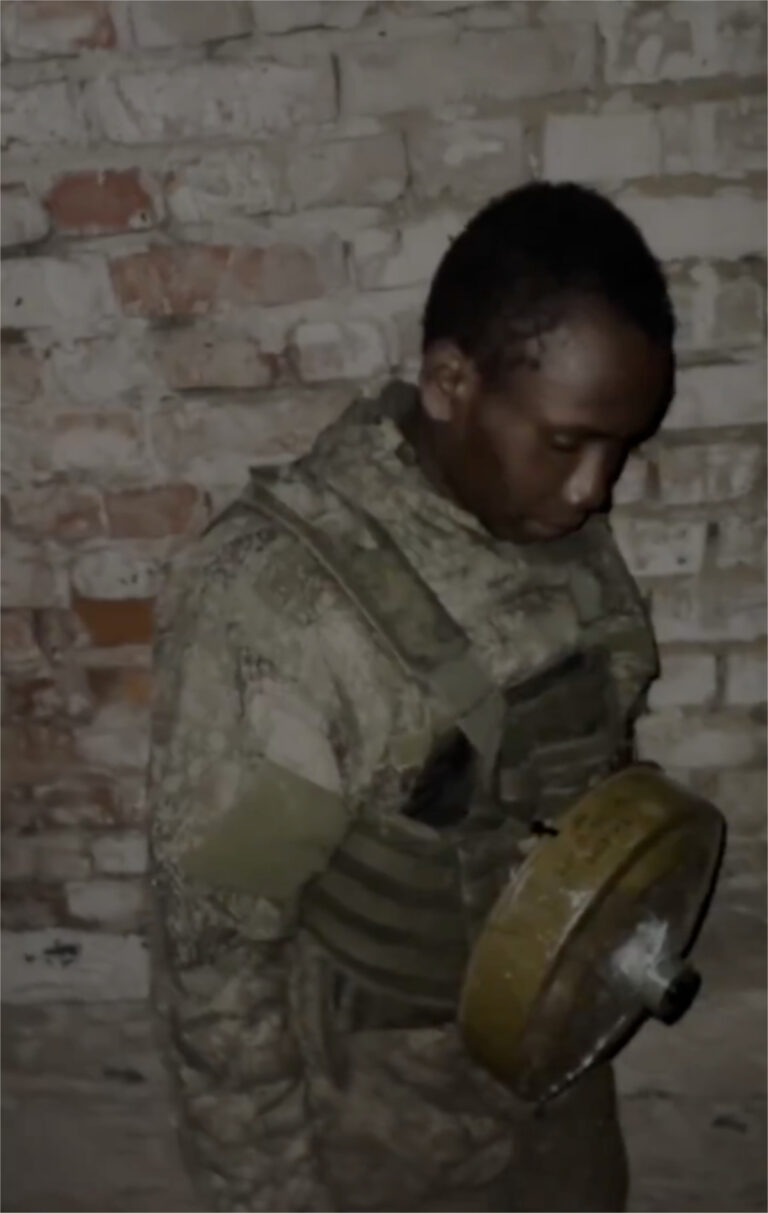
Russians call the Africans “coal”, “monkeys”, and “baboons” as they are forced at gunpoint into suicide missions, sometimes with mines strapped to their bodies, or sent into combat with no weapons. They are just told to go forward, “Davai”, “Go!”.

The horrific death waiting for the tricked Africans is a testament to the cruel, brutal practices of a Russian Imperial army that has no limits to their inhumanity.

Disposable Cannon Fodder

Russia has a large presence in Africa, as does China, who utilise economic incentives to lure young African men to Russia with lucrative “security” jobs. When they arrive in Russia, their passports are confiscated, and they are sent to the Ukrainian front lines to die horrific deaths.

The average life expectancy of many of those pushed into the front line by the Russians is two weeks, and that is if they are lucky.

Governmental corruption within many African countries allows this insidious crime to continue, as many officials receive large kickbacks from Russian agents to recruit through scams the young African men as “cannon fodder” for the Russians.

Russia is even recruiting young South African ARMA gamers to fight in its war against Ukraine using the online gaming platform Discord. The scam offered the men lucrative military contracts, Russian citizenship, and educational opportunities to attract participants.

In one video, a Russian military officer says that the Africans are happy as long as they are given “bananas”, and then says in Russian, “goodbye, monkeys”.

AFRICANS MUST BE AWARE ABOUT THESE RUSSIAN SCAMS – DO NOT LISTEN TO THE LIES, AND DO NOT FOLLOW THE RUSSIAN SCAMS. ONCE YOU GO TO RUSSIA THEY WILL FORCIBLY CONSCRIPT YOU IN THE RUSSIAN ARMY WHERE YOU WILL MOST CERTAINLY DIE!

VIX is Still Low Despite Recent Events

0

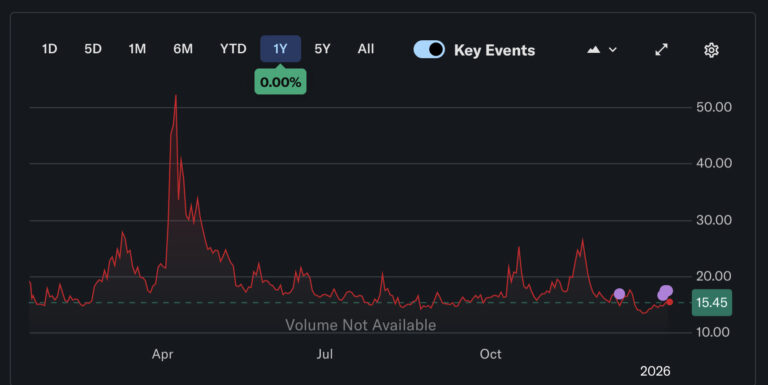
Maybe things are still groggy for the VIX index, maybe it had a few drinks too many this festive period, but it’s pretty low and just ambling along. This is despite the Trump team starting the new year with an almighty bang — we have mass invasions and military operations, Venezuela, Greenland, Iran all in the works. We have mass riots in America after the death by ICE of a social justice activist, we also have other things brewing up in the unholy pot of confusion, but the VIX is not shifting. As for XAU, that’s trotting along and resuming its ascent after a brief drop in December, possibly a shitload of profit taking at the end of the year.

Ukraine and Russia are still on the go, as is the ridiculous idea that having NATO troops stationed directly next to the Russian border would do anything but increase tensions. There will not be any peace there any time soon, it seems.

The quantitative easing is ploughing on as many Western nations try to stave off the bonds men, so despite what the fundamentals are looking like, this could be a buy for a while for the markets until the realisation of what is really going on hits the sheep.

As for Greenland, the Danish military has 44 tanks, 34 helicopters and 16 naval ships for their whole country. As much as Denmark, and the Danish, are loved, it seems they need to start building up their army sharpish. It’s not only for Uncle Trump, but for the Orcs looking on from the East.

Within this mishmash of global shenanigans — the UK under Starmer is weak, insignificant and irrelevant.

Basically, the situation room says — don’t shit your pants just yet, wait and see,