



The economic impact of global geoeconomic fragmentation is becoming increasingly significant, with current estimates suggesting annual costs of between $213 billion and $307 billion to the world economy. At the same time, fragmentation is contributing an additional 0.2 to 0.3 percentage points to global inflation.
What was once largely a phenomenon affecting geopolitical competitors is now spreading to long-standing allies, including the European Union, Canada, Japan and South Korea. Emerging and developing economies are expected to experience the most severe consequences, with countries outside the major geopolitical blocs facing potential reductions in economic output of 10.7%, compared with a global average decline of 6.4%. Despite these challenges, regional integration initiatives are providing new opportunities to strengthen resilience.
A new report published today by the World Economic Forum reveals that geoeconomic fragmentation is imposing annual costs of between $213 billion and $307 billion on the global economy.
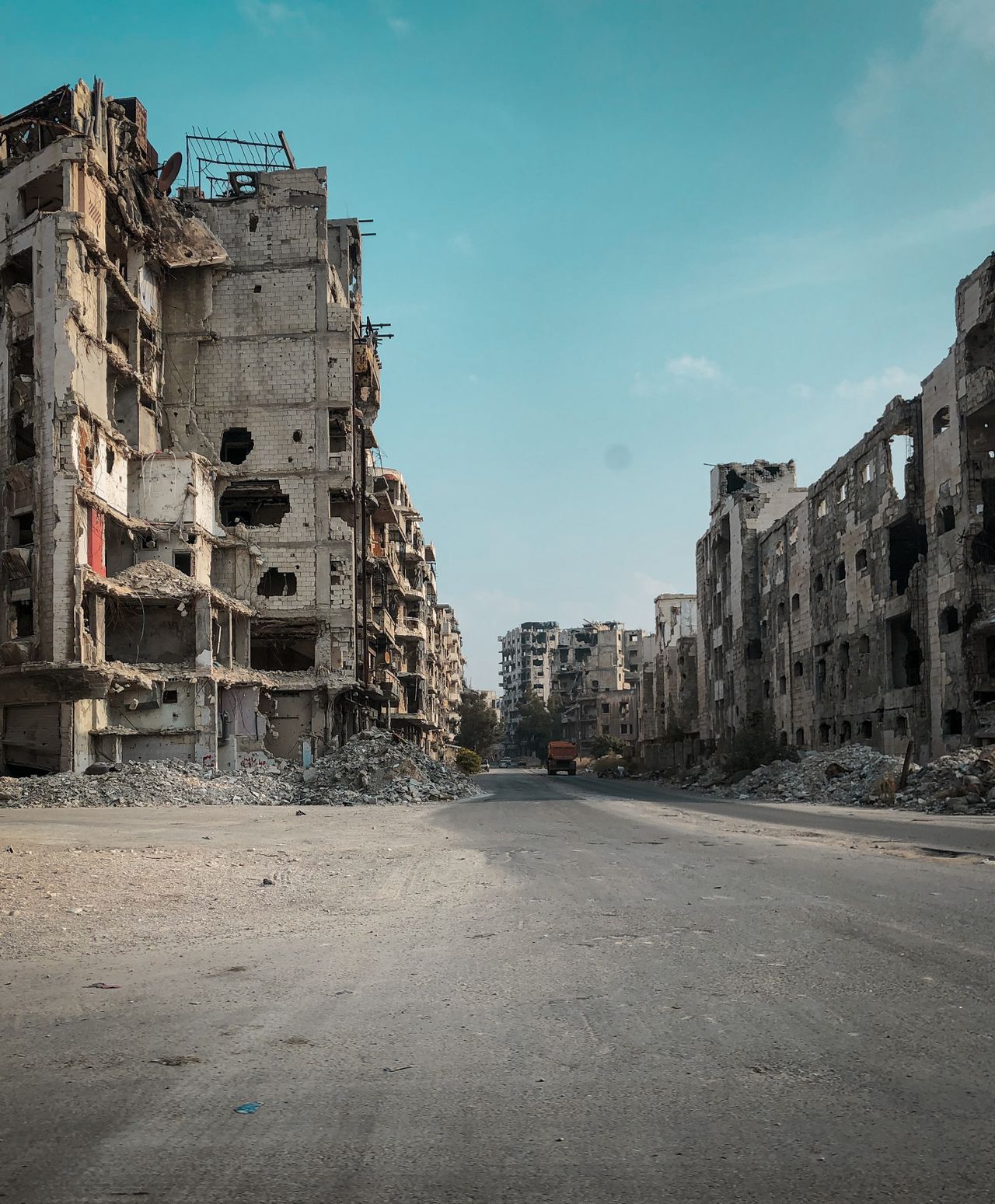
Increasing geopolitical tensions, concerns over economic security and changing trade relationships among major economies have accelerated fragmentation throughout 2025 and 2026, with growing effects on international trade, investment and financial systems.
The report, Deepening Divides: The Cost of a More Fragmented Financial System, produced in partnership with Oliver Wyman, a Marsh business, is the second publication in the Forum’s fragmentation research series. It highlights how escalating tariffs, investment restrictions and retaliatory economic measures are reshaping the global economic landscape.
According to the report, the increased use of economic statecraft during 2025 and 2026 represents a significant shift in the operation of global trade and finance. While earlier analysis focused primarily on tensions between geopolitical rivals, the latest findings point to a broader structural transformation.
Tariffs and investment controls are now increasingly affecting economies that have traditionally maintained close economic and political ties, including the United States, the European Union, Canada, Japan and South Korea. This trend is increasing costs for businesses while creating greater uncertainty around international trade and investment.
Matthew Blake, Managing Director and Head of the Centre for Financial and Monetary Systems at the World Economic Forum, noted that the global financial system has come under growing pressure from geopolitical and economic fragmentation. Despite these challenges, he observed that the system has remained relatively resilient. Financial markets have continued to respond dynamically to changing policy environments, while governments have generally avoided actions that could undermine confidence in the international financial framework. He emphasised that maintaining trust and stability will be essential to sustaining long-term economic growth and prosperity as fragmentation continues.
The report warns that the economic consequences are becoming increasingly severe. As fragmentation becomes more deeply embedded across financial systems and trade relationships, and as barriers continue to rise even among allied nations, the likelihood of escalation and long-term economic disruption grows. Should current trends intensify into more extreme fragmentation scenarios, global economic losses could reach $6.9 trillion, equivalent to 6.4% of world GDP. Such an impact would exceed the size of every national economy except those of the United States and China.
 The effects are not confined to governments and corporations. Households are also experiencing the consequences of geoeconomic fragmentation. Existing policies are estimated to increase global inflation by between 0.2 and 0.3 percentage points, reducing purchasing power across many economies. In the United States, the report estimates that real wages have already been affected, with low-skilled workers earning 0.33% less in real terms, medium-skilled workers 0.49% less, and high-skilled workers 0.66% less. Similar pressures on household spending power are emerging across other major economies.
 Daniel Tannebaum, Partner and Global Leader of the Anti-Financial Crime Practice at Oliver Wyman, stated that business leaders consistently express a need for greater certainty. He noted that organisations are struggling to navigate an environment characterised by unpredictable tariffs, sanctions and economic restrictions. Without clearer and more stable policy frameworks, risks to investment, economic growth and financial stability are likely to continue increasing.
The report also highlights the disproportionate exposure of emerging markets and developing economies. These countries are expected to suffer the greatest consequences of financial fragmentation. Under the most severe scenario modelled, economies outside the principal geopolitical blocs, many of which fall into the emerging market category, could experience output losses of 10.7%, compared with a global average decline of 6.4%.
Several structural factors contribute to this vulnerability. Emerging economies often possess less developed capital markets and rely more heavily on international investment flows. As a result, they are more exposed to disruptions arising from a less integrated global financial system.
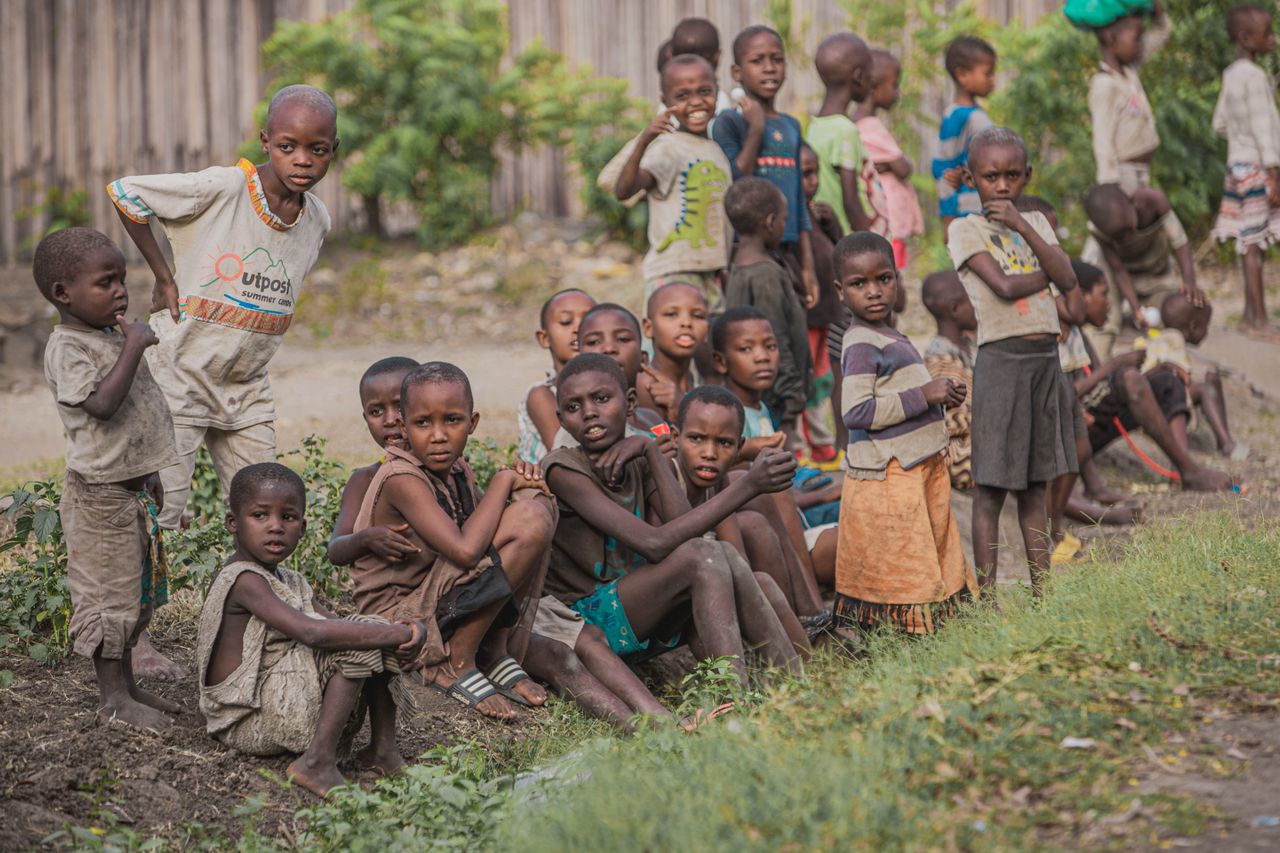
Africa provides a clear example of both the risks and opportunities associated with fragmentation. The continent’s dependence on external sources of capital means that a more divided financial system could make development funding more expensive and less predictable. However, initiatives aimed at strengthening regional integration offer pathways towards greater resilience. Programmes such as the African Continental Free Trade Area (AfCFTA) and the Pan-African Payment and Settlement System (PAPSS) are helping to foster stronger regional economic cooperation. Africa may also benefit from long-term trends, including rapid population growth and substantial reserves of critical raw materials.
Although geoeconomic fragmentation is unlikely to be reversed in the near future, the report argues that its effects can be managed. Policymakers are encouraged to establish common safeguards that protect the integrity of the financial system, including respect for the rule of law, independent monetary policy, limitations on the seizure of sovereign assets and protection of government data.
The report also calls for greater international agreement on the appropriate use of economic statecraft, ensuring that measures designed to strengthen national security and economic resilience do not unnecessarily undermine global growth. Greater policy predictability is considered essential to maintaining investment flows and preserving the effective functioning of international capital markets.
In addition, policymakers are urged to support interoperability between payment systems and digital currencies while helping businesses adapt to an increasingly fragmented economic environment. Regional integration initiatives, including AfCFTA, PAPSS and efforts to strengthen domestic and regional capital markets such as the European Savings and Investments Union, are identified as important tools for maintaining resilience.
Taken together, these measures could help preserve financial stability and economic resilience even as fragmentation continues to reshape the global economy.
The report updates the World Economic Forum’s 2025 fragmentation analysis to reflect policy developments and market conditions throughout 2025 and the early part of 2026. Its modelling assesses the economic effects of current trade and financial policies while exploring a range of potential escalation scenarios involving economic output, inflation, trade flows and wages.
The analysis incorporates revised assumptions relating to tariffs, countermeasures, transmission effects and restrictions on services trade. It also draws upon qualitative insights gathered from business leaders, policymakers and financial sector specialists, including perspectives from across Africa.