



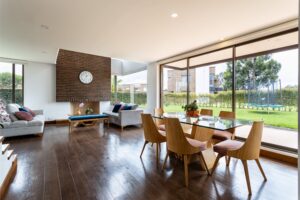
Roots, permanence, and real-life functionality are becoming the defining aspects of home design, and rightfully so. The idea of a forever home is overtaking the desire for fleeting trends and the latest aesthetics. Instead, there’s a strong need for homes to grow with their inhabitants over decades.
What is a “Forever Home”?
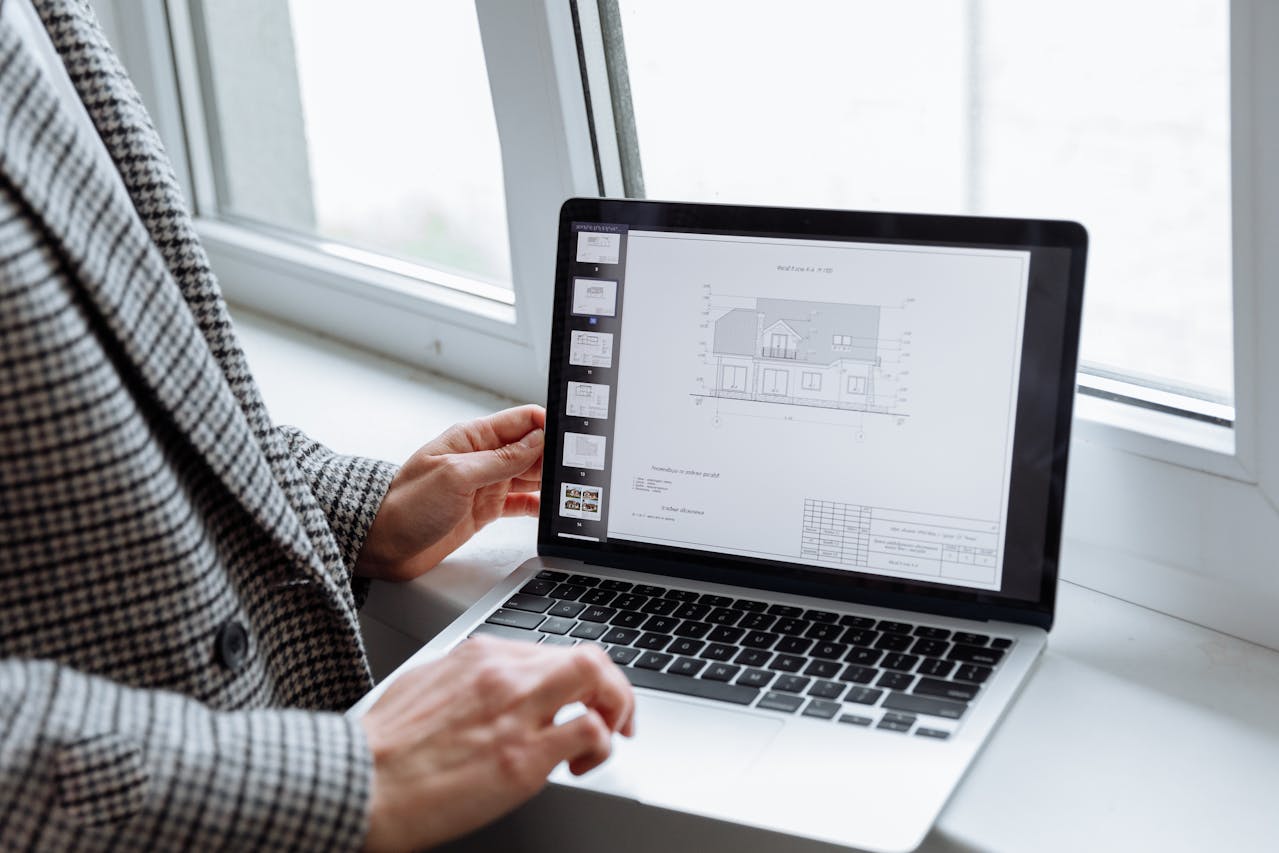 Simply put, a forever home is exactly as it sounds. It’s a house that’s intended to be a long-term residence, possibly for the rest of one’s life. It’s the kind of place where people imagine raising children, celebrating milestones, retiring, and maybe even passing down to the next generation. It’s more than a starter flat or a five-year stepping stone.
But, it also goes beyond just staying in one space. A forever home is thoughtfully designed to be timeless, adaptable, and deeply personal. It doesn’t chase after countless trends either; instead, it serves the people living in it forever.
Why Are Forever Homes Trending?
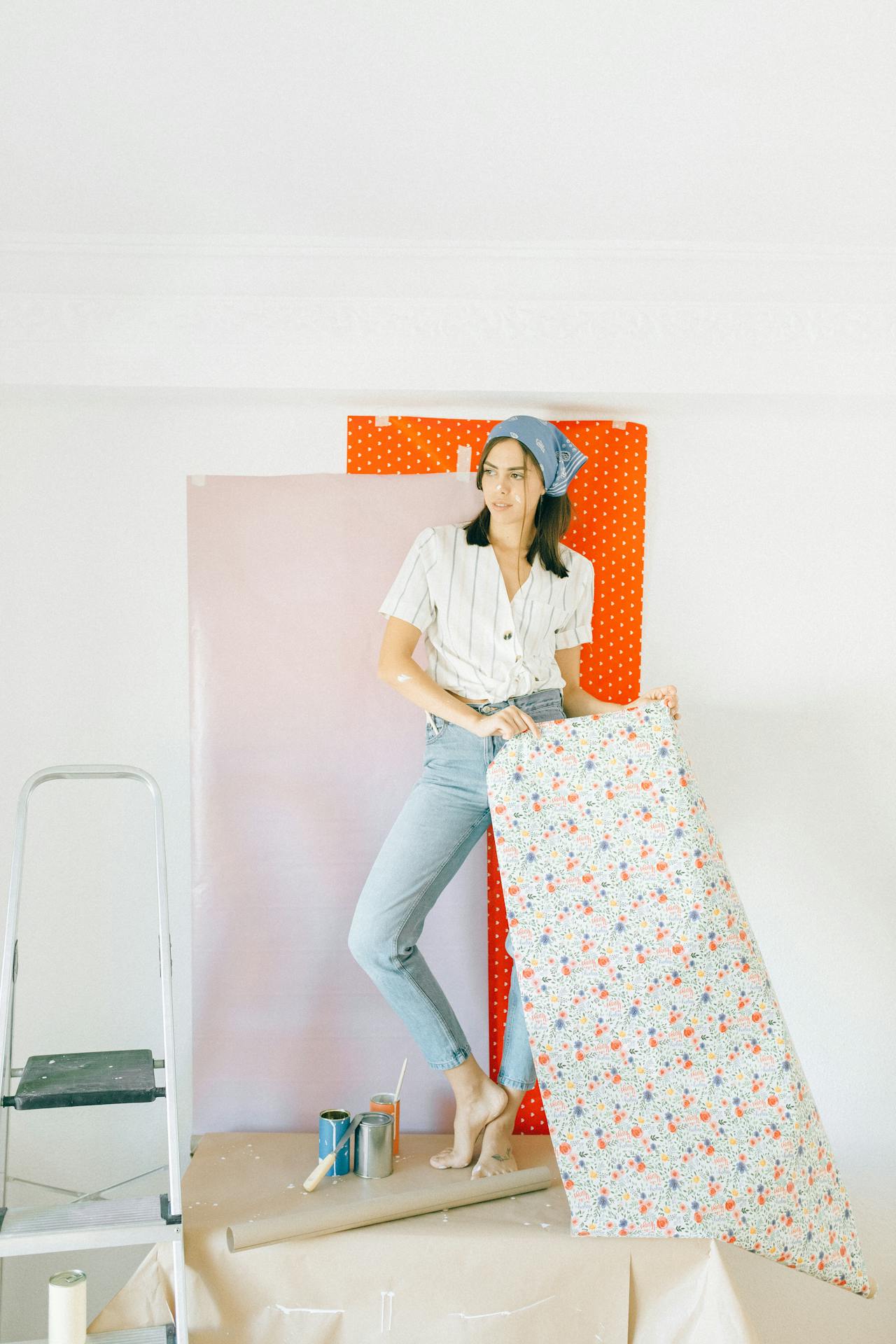 From legal fees and stamp duty to estate agents and the skyrocketing prices of properties, the cost of moving house is simply unaffordable for the majority. People are choosing to put money aside for renovating instead of relocating, as investing in a forever home feels more sensible than playing the property ladder game.
Over the last few years, there’s been a shift in how people view sustainability and anti-consumerism, which has also been reflected in interior design. Forever homes are a good representation of this push back against disposable culture as they’re furnished with durable, quality materials and timeless design. Forgoing the desire to keep up with trends.
Lockdown has also played a part in forever homes as it shifted the perspective of what matters in a home. From accommodating work, offering comfort, supporting mental health, and remaining functional, it became clear that spaces needed to do more and be more.
A forever home also offers more than just physical shelter; it represents emotional stability. And with so much uncertainty in the world, many are choosing to build homes that feel like sanctuaries.
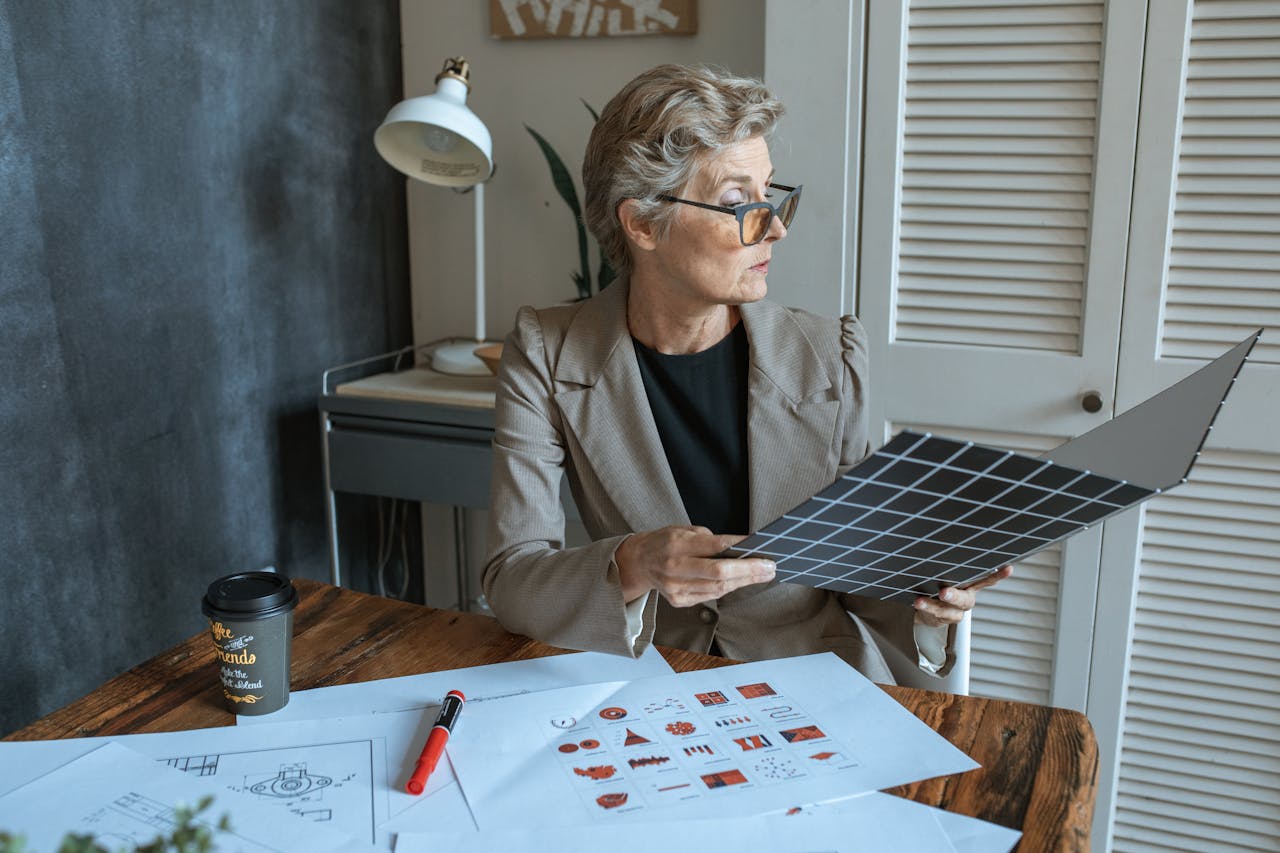
How to Design a Forever Home
Think Long-Term Function: You don’t have to completely ignore trends and aesthetics, but when you’re designing your space, question whether today’s must-have will still look good in a decade. It’s best to focus on what will work for your lifestyle long-term, rather than obsessing over what’s trending now.
Invest in Timeless Materials: Think about the backbone of a forever home, like flooring, worktops, cabinetry, and hardware. You want to choose materials that age gracefully, such as engineered wood flooring, which offers the beauty of solid wood with more stability, and natural stone or quartz worktops, which are hard-wearing and classic. Neutral, earthy colour palettes are also ideal as they make it easier to update accessories.
Design for Life Stages: Consider how your home might need to change over the years and be flexible with your space. Think about whether the guest room might eventually become an office or nursery, or whether the bathroom layout is accessible.
Prioritise Comfort Over Perfection: Remember that a forever home is supposed to be lived in, not shown off online. It’s important to prioritise comfort, practicality, and character. Think about soft lighting, comfy seating, warm textiles, and layouts that encourage conversation and connection. Forget about perfection; homes that feel relaxed, welcoming, and real are the most important ones.
Layer in Personality Slowly: Resist the urge to decorate all at once and enjoy the approach of slow decorating. After all, forever homes aren’t made in a month. Build them layer by layer with meaningful furnishings, nostalgic items, and décor that tells a story.
Is a Forever Home Worth It?
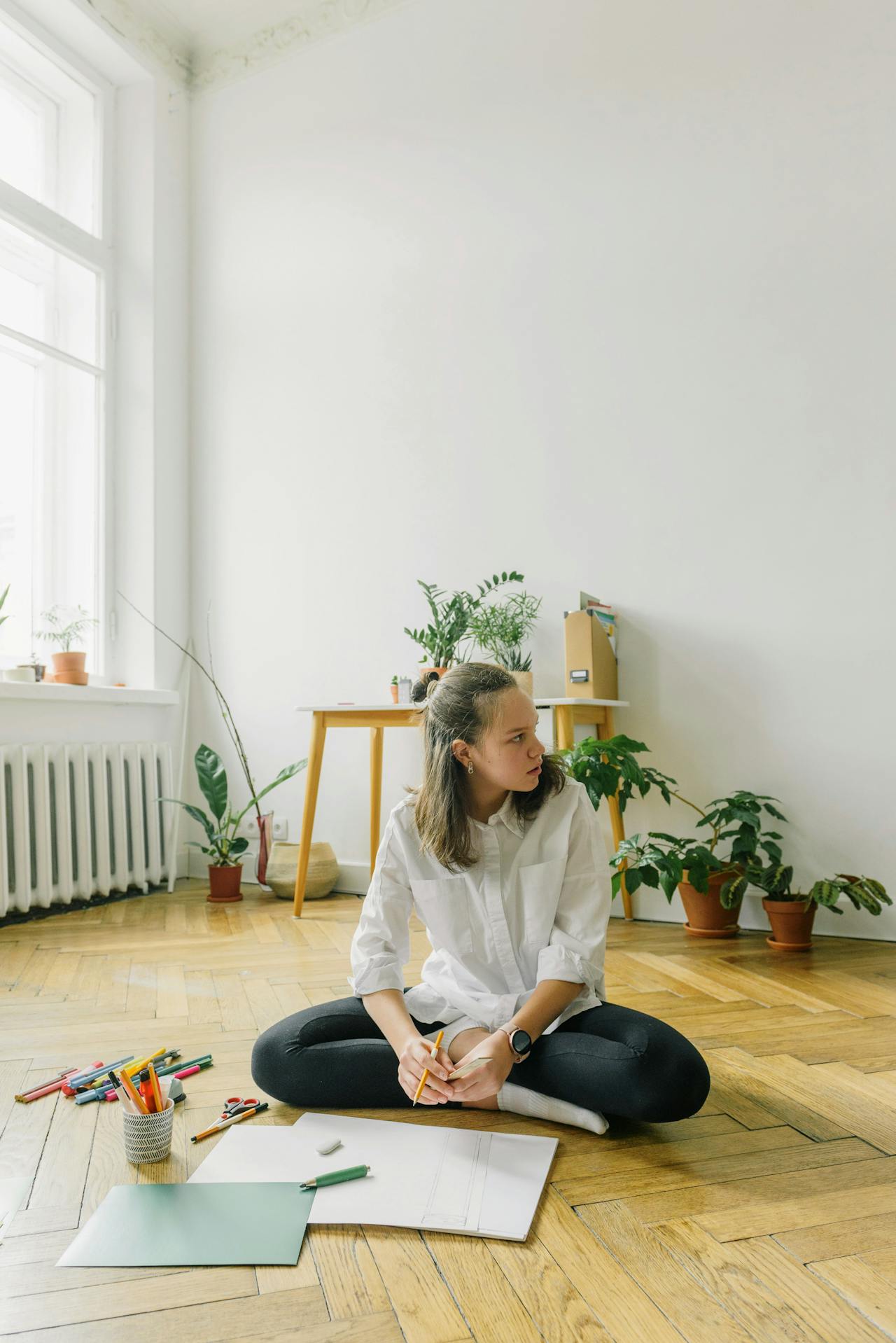 Forever homes offer solitude as they quietly rebel against fast interiors and algorithm-driven aesthetics. It ignores the need to be camera-ready or fashion-forward in favour of being rich in meaning. And for many, that’s worth more than going viral.
Designing a home with longevity in mind encourages smarter purchases, greater sustainability, and deeper emotional connections. It’s not about keeping up with the latest trends; it’s about creating a space that keeps you grounded and comfortable.
So yes, it’s worth it. Forever homes may not be trendy, but they’re built to last, and that’s what matters most.