




Choosing the right martial arts dojo is one of the most important decisions a beginner or intermediate student will make. The environment you train in will shape not only your technical progress, but also your motivation, safety, and long-term enjoyment of the art. Enfield Karate Club is a dojo that excels in its teaching quality and instruction.
Beginners
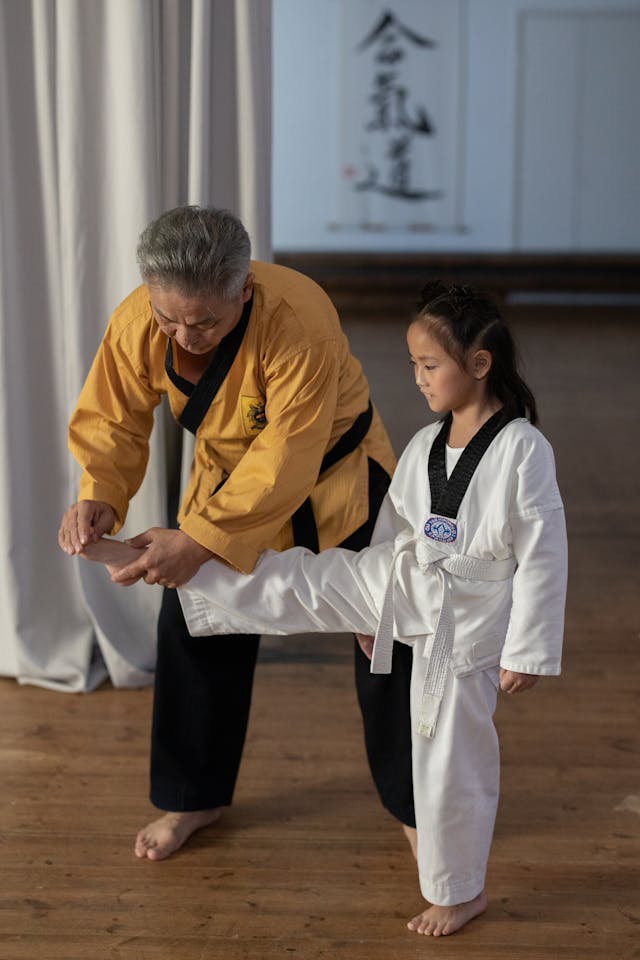 For beginners, the priority should be clarity and structure. A good dojo has a clear curriculum, patient instructors, and a strong emphasis on fundamentals.
You should understand what you are learning and why, rather than being rushed through techniques without proper explanation.
Classes should be scaled, so newcomers are not overwhelmed, and safety must be taken seriously.
Instructors should correct form, manage intensity, and discourage reckless behaviour.
Intermediate
For intermediate students, instruction quality becomes more important than atmosphere alone. At this stage, progress depends on detail, feedback, and pressure testing.
A reputable dojo will offer progressive training that goes beyond repetition, with opportunities to refine technique, spar in a controlled way, or compete if that aligns with the style.
Instructors should welcome questions and be able to adapt techniques to different body types and skill levels.
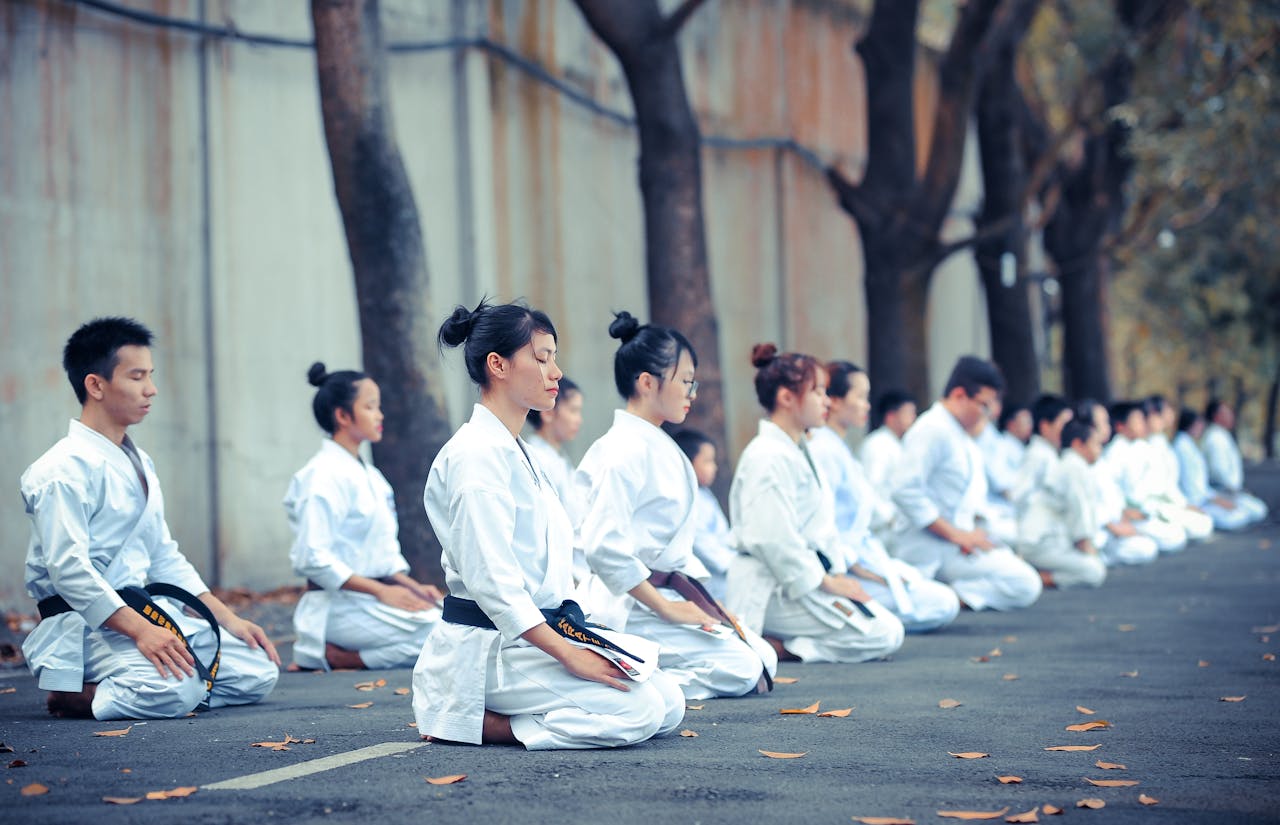
Beware of belt farming
One of the most common pitfalls when choosing a dojo is what many practitioners refer to as belt farming. This is where belts or ranks are awarded regularly despite minimal improvement in skill or understanding, often accompanied by frequent grading fees.
The emphasis shifts from technical competence to keeping students paying and feeling rewarded, rather than genuinely developing ability.
In these environments, students may progress through grades quickly but lack fundamentals, timing, or practical application. Training can become repetitive and uninspiring, with little correction or challenge. Over time, this creates a false sense of competence and can stall real development.
A legitimate dojo treats grading as a reflection of readiness, not as a business model. Advancement should feel earned, occasionally uncomfortable, and tied to clear standards.
Other factors to consider
Across all levels, the culture of the dojo matters.
Healthy schools foster respect, discipline, and steady improvement rather than intimidation or blind loyalty.
Be cautious of instructors who discourage cross-training, dismiss other styles without explanation, or react defensively to honest questions. Martial arts thrive on humility and continuous learning.
Practical factors also play a role. Location, scheduling, and cost should be realistic and transparent.
Many good dojos offer trial classes or short introductory periods. Use these to observe how students train, how instructors teach, and how feedback is given. You should leave sessions challenged but motivated, not confused or placated.
Ultimately, the right dojo is not the one that promotes the fastest rank progression or the most impressive belts on the wall. It is the one that aligns with your goals, maintains high standards, and encourages long-term growth.
A good dojo pushes you honestly, develops real skill, and respects the journey rather than selling shortcuts. Explore and Enjoy!






excellent post, very informative. I’ve been to a few dojos and seen alot of crazy stuff. Choose well ppl.