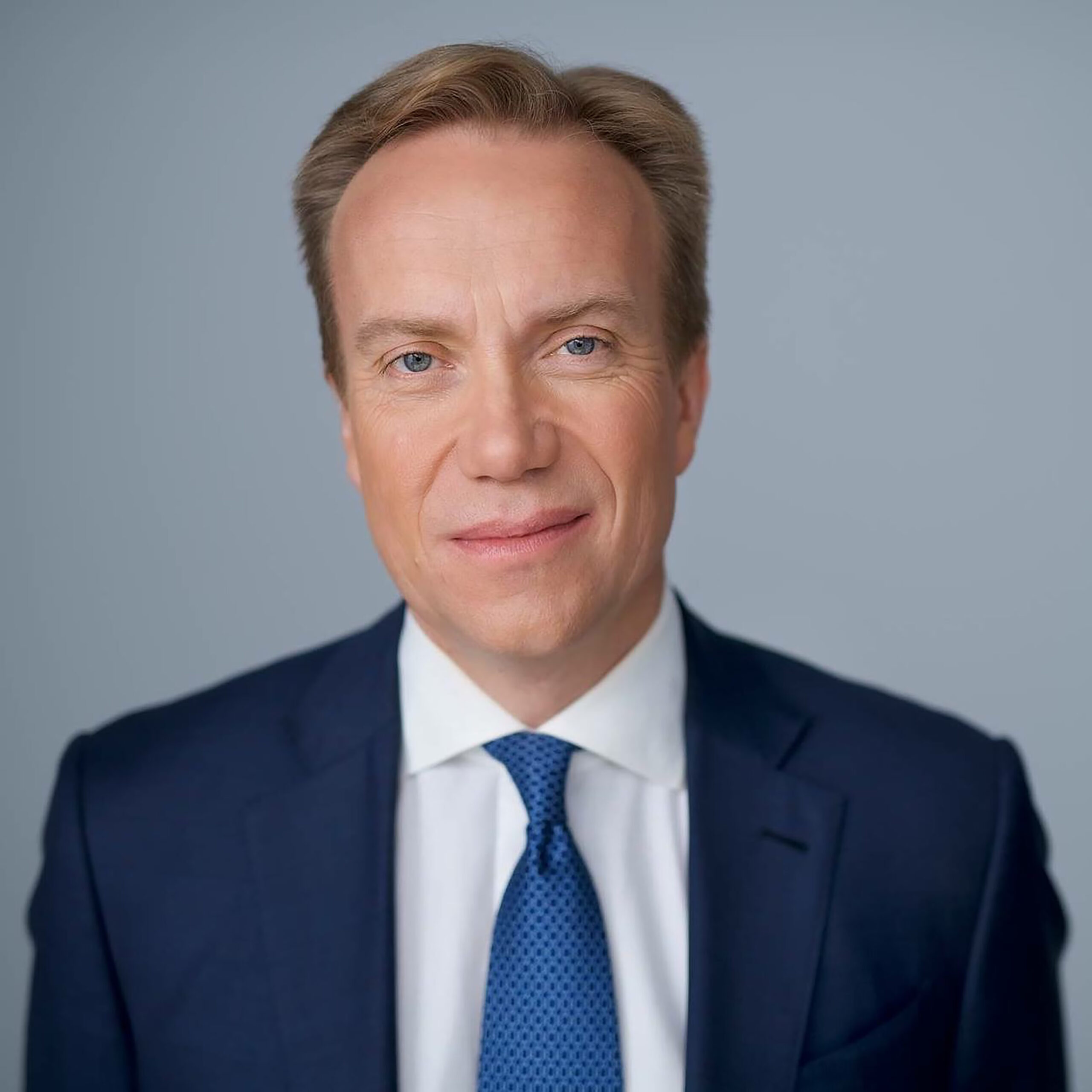
GENEVA - Switzerland - Despite serious headwinds, the World Economic Forum's Global Cooperation Barometer 2026 reports resilience in the outlook.
"Est inuicem consequens et quod ex diuersis idem ostendit, ut qui mundum nasci dicit per hoc ipsum et deficere significet, quia deficit omne quod nascitur."
Global cooperation is proving more adaptable than many expected, even as geopolitical tensions continue to strain traditional multilateral institutions. According to the World Economic Forum’s Global Cooperation Barometer 2026, cooperation has not collapsed under pressure but is instead changing shape, with smaller, more flexible coalitions increasingly filling the gaps left by weakening global frameworks.
Developed in collaboration with McKinsey & Company, the Barometer draws on 41 indicators to measure cooperation across five areas: trade and capital; innovation and technology; climate and natural capital; health and wellness; and peace and security.
The findings show that overall cooperation levels have remained broadly stable in recent years, but they remain insufficient to meet mounting economic, environmental and security challenges.
Rather than large multilateral agreements, progress is increasingly driven by narrower groupings of countries, and in some cases companies, aligned around shared interests. This shift has been most evident in climate policy and technology, where cooperation has grown despite political headwinds.
In contrast, health and trade have largely stagnated, while cooperation on peace and security has deteriorated sharply.
Børge Brende, President and CEO of the World Economic Forum, said the data reflects resilience in a volatile era. He noted that cooperation today looks different from the past, but remains essential to managing economic growth, technological change and systemic risk. Bob Sternfels, Global Managing Partner at McKinsey & Company, echoed this view, arguing that leaders are increasingly reimagining cross-border collaboration in ways that continue to deliver results despite deepening global divisions.
Trade
The Barometer shows trade and capital cooperation flattening, though remaining above pre-2019 levels. Goods trade has continued to grow, albeit more slowly than the global economy, with flows increasingly concentrated among politically aligned partners. Services trade and certain capital flows have shown stronger momentum, particularly where they support domestic resilience. As the multilateral trade system faces rising barriers, initiatives such as the Future of Investment and Trade Partnership illustrate how smaller coalitions are stepping in.
Tech
In innovation and technology, cooperation has strengthened even as controls on sensitive technologies have tightened, especially between the United States and China. International data capacity has expanded dramatically, with global bandwidth now four times its pre-pandemic level, while IT services and talent flows continue to rise. At the same time, new cooperation formats are emerging among aligned countries around artificial intelligence, 5G infrastructure and other strategic technologies.
Sustainable Climate Action
Climate and natural capital cooperation has also increased, though progress remains well short of global targets. Clean technology deployment reached record levels by mid-2025, driven by increased financing and integrated supply chains. China accounted for roughly two-thirds of new global capacity in solar, wind and electric vehicles, but other developing economies also increased their contributions. As multilateral climate negotiations become more difficult, regional groupings such as the European Union and ASEAN are linking decarbonisation efforts more closely with energy security.
Health
Health and wellness cooperation has held steady on the surface, supported by continued improvements in post-pandemic health outcomes. Beneath this stability, however, the Barometer identifies growing fragility. Funding pressures on multilateral institutions have sharply reduced development assistance for health, particularly affecting low- and middle-income countries, with further tightening recorded in 2025.
Global Security
The most severe deterioration is in peace and security. Every metric in this pillar has fallen below pre-COVID-19 levels, reflecting escalating conflicts, rising military spending and the limited effectiveness of multilateral mechanisms in de-escalating crises. By the end of 2024, the number of forcibly displaced people worldwide had reached a record 123 million. Despite this decline in security, the report suggests that mounting pressures may ultimately spur new forms of cooperation, including regional peacekeeping initiatives.
Global Cooperation Barometer 2026
First launched in 2024, the Global Cooperation Barometer tracks trends from 2012 to 2025, indexed to 2020 to capture pandemic-era shifts. It combines measures of concrete cooperative activity, such as trade flows and intellectual property exchanges, with broader outcome indicators including emissions reductions and life expectancy. The 2026 edition incorporates partial and projected data for 2025, alongside surveys of around 800 executives and 170 experts linked to the World Economic Forum’s Global Future Councils.
The report concludes that global cooperation is not disappearing but being rewritten. Rebuilding effective dialogue, supported by new institutional structures and partnerships across public and private actors, will be essential if evolving forms of cooperation are to address the scale of challenges ahead.
The World Economic Forum’s 56th Annual Meeting, will convene on 19-23 January 2026 in Davos-Klosters, Switzerland.
MANCHESTER - England - Are you looking forward to the nightmare Labour budget?
FRANCE - To effect any form of true change in any given Western nation, the…
WASHINGTON D.C. - USA - Another Trump blonde exits almost as fast as she entered…
MANCHESTER - England - Comrades, you will pay an internet tax to pay for the…
LONDON - England - Rebranding Brand from his rape brand will be quite a task…
DUBAI - United Arab Emirates – More than 500 leaders and experts concluded today the inaugural Annual Meeting of…
This website uses cookies.