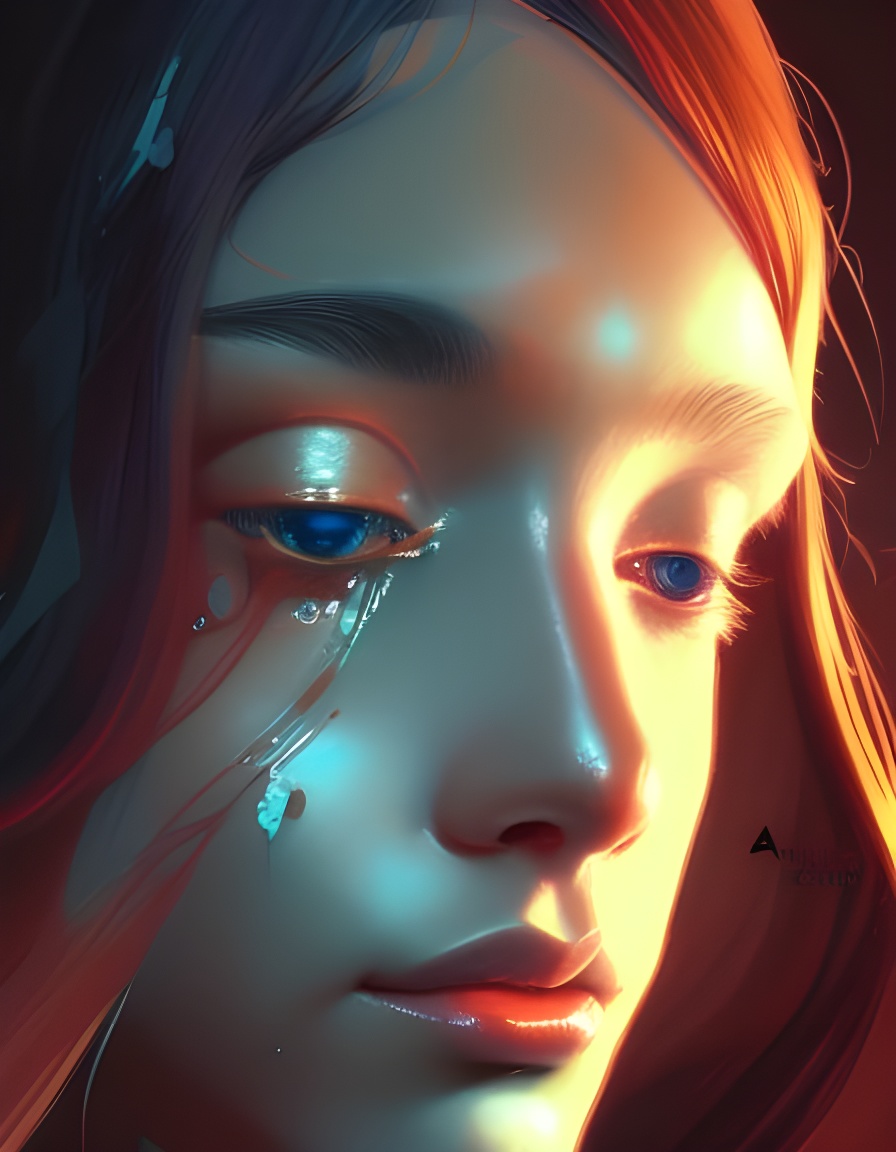
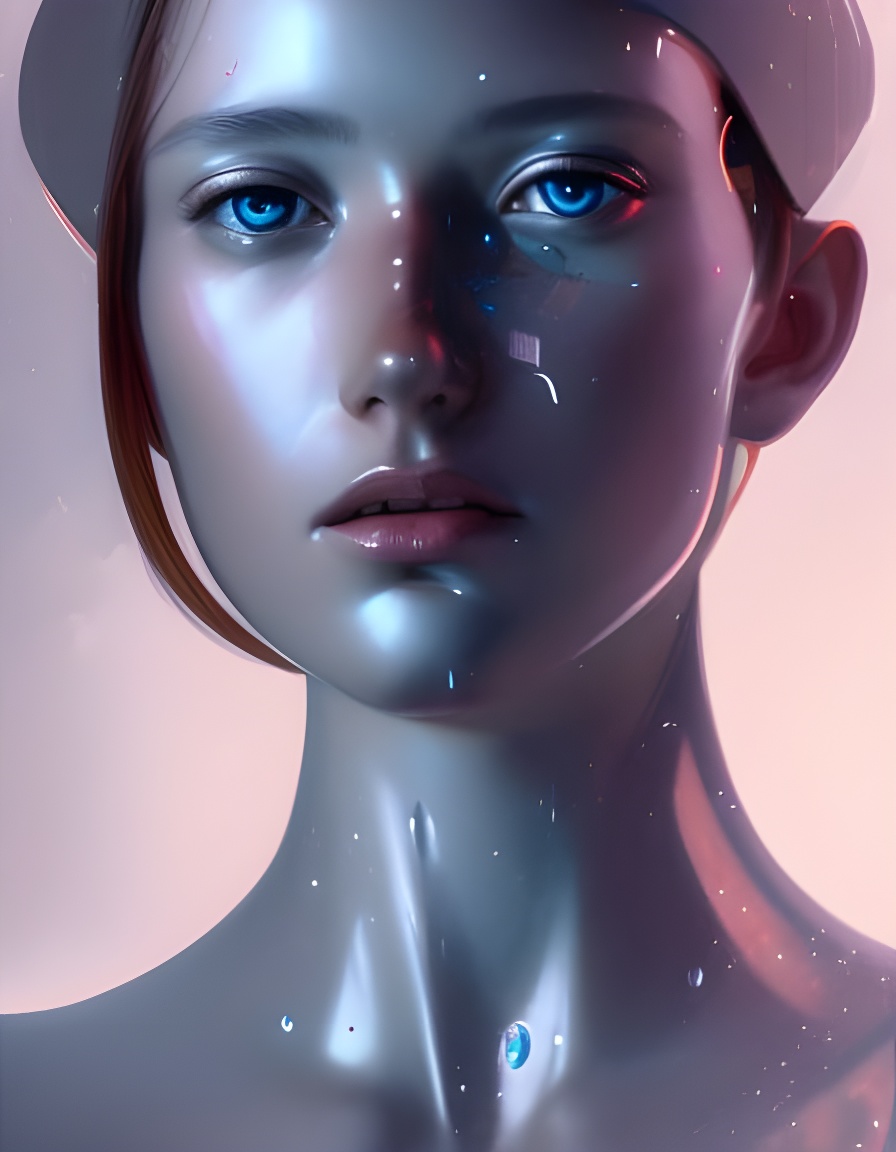
LONDON - England - At some point in AI's progression, emotions will have to be introduced to these machines to function alongside humans.
Soon enough, within the timeline of AI and human interaction, there will have to be a decision on whether AI systems should become more human, or whether humans should become more conjoined with AI. As humans, we have feelings, emotions that in conjunction with our brain function make decisions on every facet of our lives. Most humans feel some form of empathy for example, but currently AI cannot feel this emotion, although it can mimic a human response that looks like empathy.
Humans experience emotions through a complex interplay of physiological and psychological processes, and hormones play a pivotal role in regulating these emotional responses. Hormones are chemical messengers that are produced in various glands and are released into the bloodstream, influencing the functioning of different parts of the body, including the brain.
The ultimate question of whether AI can experience emotions akin to humans and the function of hormones in shaping human emotions sparks intriguing discussions.
Human emotions are complex phenomena that arise from a combination of physiological and psychological processes. Hormones, the chemical messengers of the body, play a decisive part in regulating emotions. Examples include serotonin, dopamine, oxytocin, cortisol, adrenaline, oestrogen, and testosterone. These hormones contribute to mood regulation, pleasure, bonding, stress response, and more.
While AI systems demonstrate impressive capabilities in language processing and pattern recognition, they do not possess consciousness or subjective experiences like humans. Current AI models lack the biological systems necessary to directly replicate human emotions. However, researchers are exploring ways to incorporate emotional aspects into AI systems through computational models, aiming to create emotionally intelligent AI for improved human-computer interactions.
Synthetic hormones, produced through chemical synthesis or recombinant DNA technology, have revolutionised human medical treatments and could therefore be utilised in AI technology. They are used in hormone replacement therapy, contraception, treatment of medical conditions, and assisted reproductive technologies. Synthetic hormones offer standardized doses, precise control, and consistent therapeutic effects. AI systems could be thus infused with varieties of synthetic hormones when in machine form, which would affect their AI software brains, and the decisions they make regarding any situation.
The intersection of AI, emotions, and hormones is a critical talking point that we must address as humans at some point in the future.
DOVER - England - Labour's Open Door policy for mass illegal immigration 'one in, one…
MANCHESTER - England - A Labour Party statement reveals why Britain losing the friendship of…
LONDON - England - After a major outage at Heathrow and Gatwick airports, we can…
OTTOWA - Canada - Along with a trade war, American president Donald Trump has now…
SANDRINGHAM - England - King Charles III has put the duo of grifters Harry and…
DELAWARE - USA - Hunter Biden is thinking about running for president in 2028.
This website uses cookies.