BOSTON - USA - Robots within manufacturing industries are now an essential part of the production of many businesses growing efficiently.
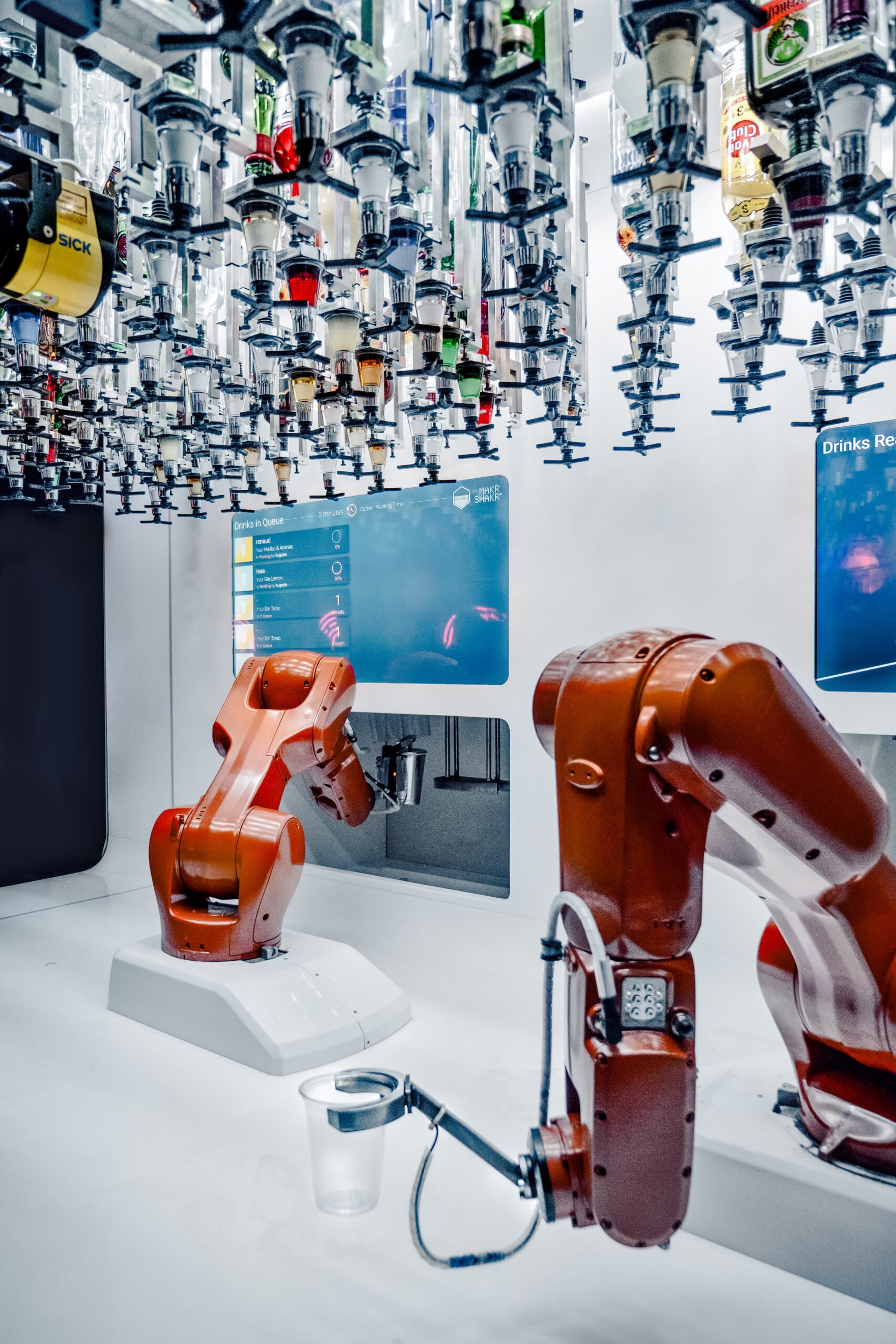
When you think of a robot in a factory, you might picture a big arm that puts together car parts or a machine that fills thousands of food packages every few minutes. Industrial robots are fully automated machines that do specific jobs like pumping, labelling, packing, and more. They often work on their own or with other robots and do not require the assistance of humans that much. This is because they usually operate very fast and could hurt people who get too close. Some people view these machines as a threat to jobs because they do manual work that used to be performed by human beings.
A new type of robot called “collaborative robots” is gaining popularity. These robots are made to work closely with people.
How do Cobots work?
Definition of Collaborative Robot
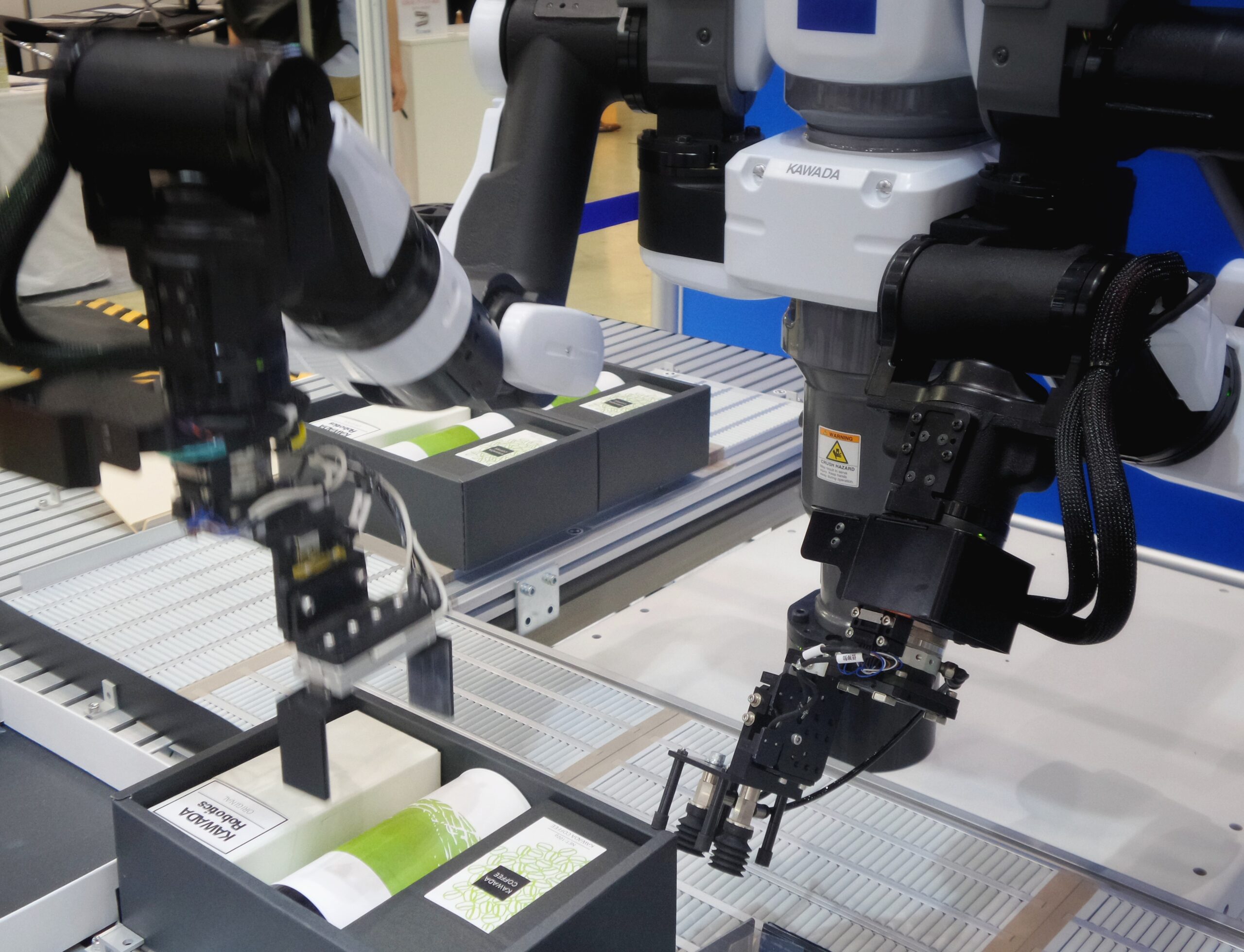
Cobots, or collaborative robots, are designed to operate side by side with employees. In order to free up workers’ attention for jobs that need problem-solving abilities, these machines concentrate more on repetitive duties like inspection and picking. They operate at a slower rate when close to humans and feature sensors that set the machine to shut off instantly when a person comes in contact with them.
Having a collaborative robot on your production floor has several benefits as explained below:
Not only will workers have more time to do creative work, but they will also be less likely to take sick days because of work-related injuries.
Wide Range of Applications
ABI Research, an analytics company, says that the collaborative robot market will be worth more than $11.8 billion by 2030. From $711 million in 2019, this is a huge jump. This optimistic prediction is based on the fact that cobots are being used increasingly in many industries. The company also said big companies don’t just use these machines. Small and medium-sized businesses are also buying units to use in production. Here are some of the sectors where cobots are most helpful.
Cobots have gained popularity in the manufacturing sector thanks to their adaptability. They do several different tasks on the production floor. These consist of:
Everything is in its place – Cobots can be outfitted with cameras or sensors that scan various product components for flaws.. To make sure that certain components are sorted into the appropriate stream on the assembly line, they are utilized to measure those components.
Precise Tool Handling: These robots are used by businesses to handle process activities like soldering and welding because they are so accurate. They can complete these jobs without any hitches on a daily basis and even after hours. They also make few to no mistakes, allowing you to relax knowing that the quality of your products is always high.
A Perfect Finish: Machines may also be equipped with force sensors, which track the amount of pressure a robot applies to objects. Cobots can give any product a consistent finish with attachments for sanding, painting, and other tasks.
Suitable for Logistics
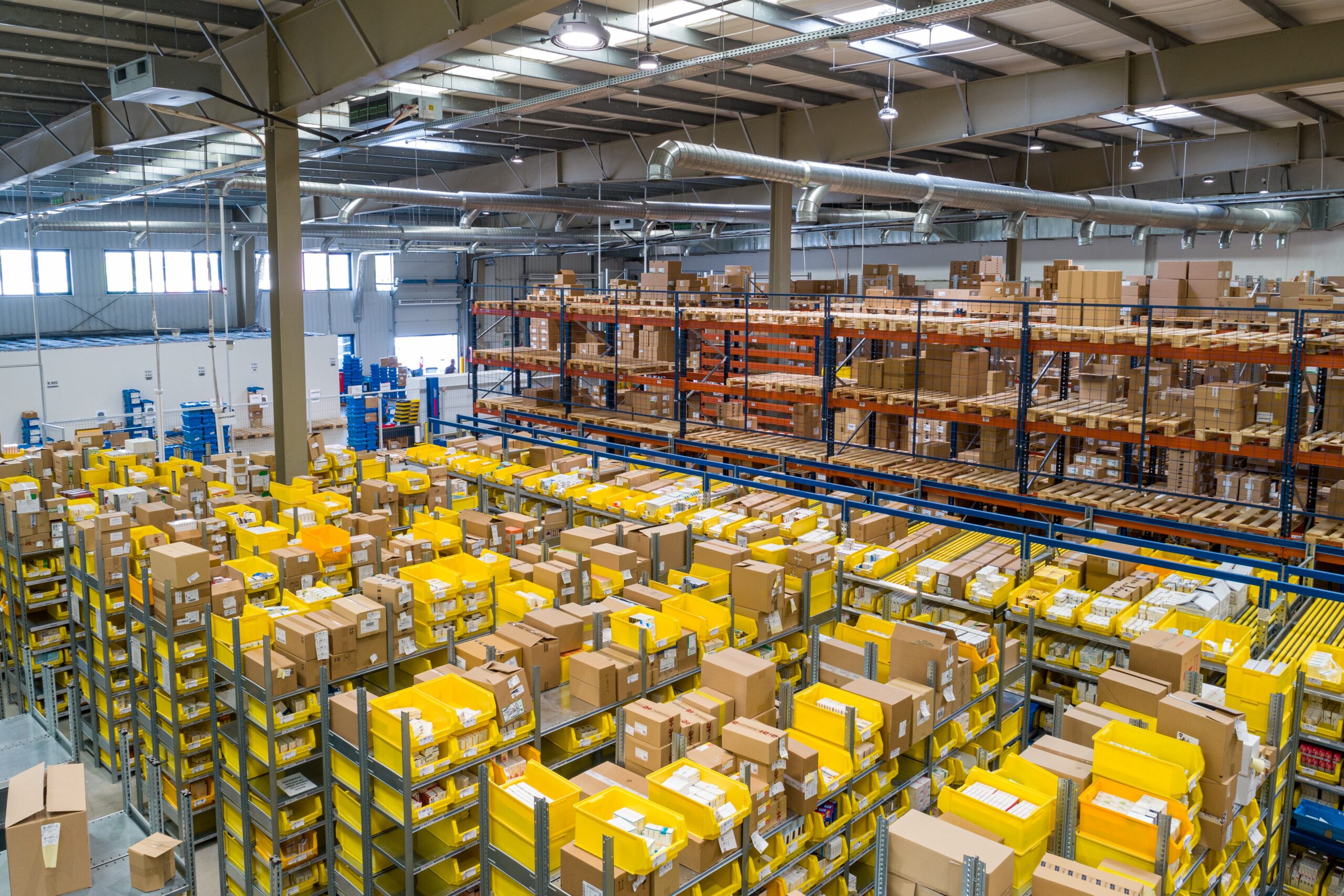
Collaborative robots are popular in logistics as well because they make deliveries quicker. They are extensively used in this industry, with Amazon’s warehouses as a notable example. They use cobots to move objects from one location to another while detecting a piece’s fragility and adjusting their grasp accordingly. Here are some further applications for collaborative bots in logistics.
Doing the Heavy Lifting: Mobile cobots may be assigned to transport items along a predetermined path. These reduce the need for employees to lift bulky boxes by hand or operate large machinery like forklifts.
Sealed and Delivered – Like with part inspection, equipping a bot with cameras can transform it into a precise and effective picking device. Additionally, they may create cartons, fill them with goods, and seal them using a gripper or suction cups. Fulfillment is significantly more accurate and efficient as a result.
Collaborative robots demonstrate that automation and AI are not designed to replace humans on the manufacturing line. Instead, they enhance the welfare of workers on the factory floor. They provide workers with possibilities to take on employment that requires more ingenuity than brawn by doing repeated tasks. Furthermore, because cobots frequently perform repetitive and occasionally risky tasks, they help to keep workplace injuries to a minimal.
DATA CENTRE - Unkown Location - With calls to curb AI and many calling it…
NEW YORK - USA - According to the World Economic Forum's Chief Economics Outlook, the…
OXFORD - England - New research shows that more than 40% of UK employees may…
MOSCOW - Russia - Four years have passed since the illegal invasion of Ukraine. Russia…
LONDON - England - If you love card games, you're going to love 3 Card…
SCUNTHORPE - England - Say goodbye to the last vestiges of your money as Labour's…
This website uses cookies.